
Pricing Strategies
What is SaaS Pay-Per-Use Pricing?
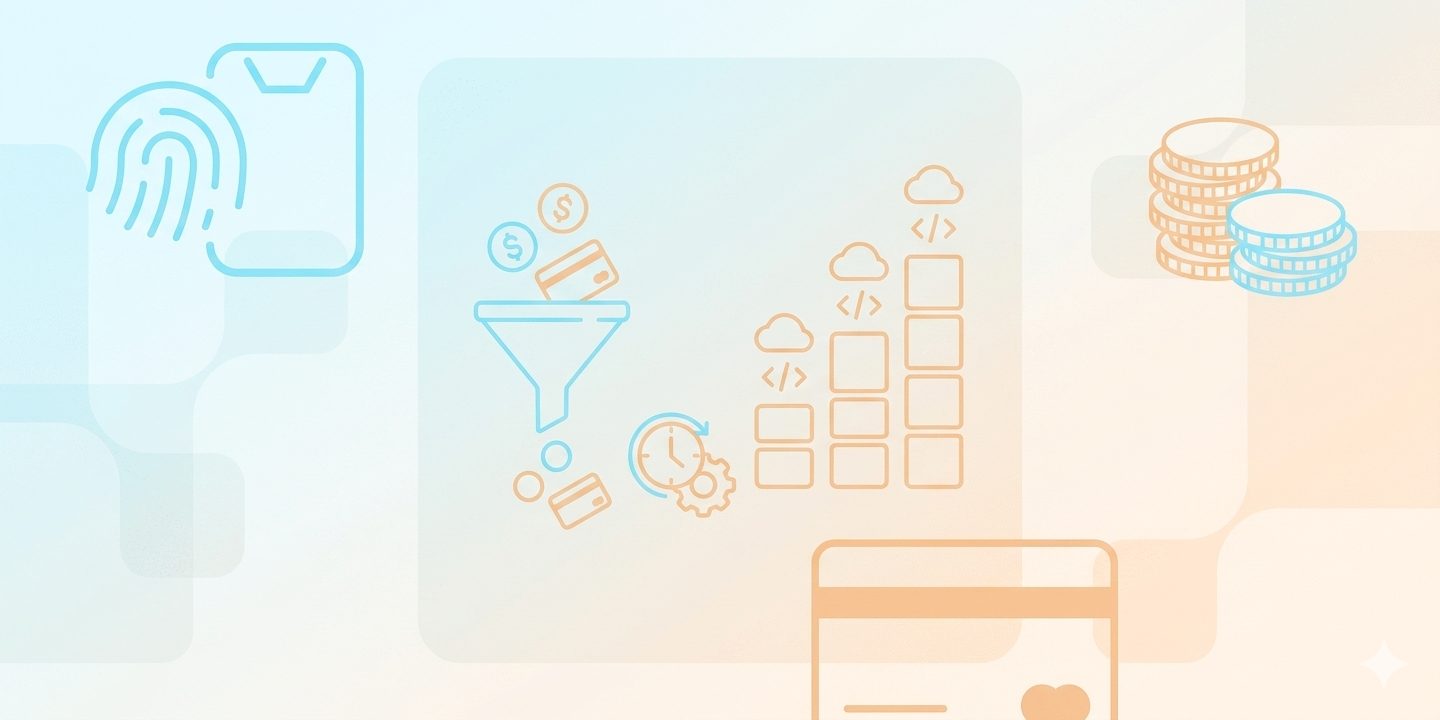
What is SaaS Pay-Per-Use Pricing?
The SaaS pay-per-use business model is a utility-style billing that evaluates software comparable to electricity or water bills. Rather than a fixed fee for all features, charges are based on actual usage. This aims to reduce the occurrence of paying for unused seats, sometimes referred to as “shelfware,” and seeks to align user cost with perceived value.
How does SaaS Pay-Per-Use pricing function?
SaaS pay-per-use pricing operates on an ongoing technological cycle of metering, aggregating, and invoicing. A measuring tool counts every instance of a preset “value parameter” (such as one gigabyte of storage or one AI-generated image). The total quantity is multiplied by the unit price at the end of the billing period.
Features of usage-based SaaS:
- The Costs Vary: Activity levels determine monthly billing amounts.
- Unit Transparency: Actions can be broken down and narrated in detail (e.g., $0.01 per transaction).
- Zero-Waste Budgeting: Expenses tend to be lower during periods of reduced activity.
What does usage-based billing look like for SaaS businesses?
For a SaaS company, usage-based billing usually resembles a “credit” mechanism or a tiered usage chart. Several modern firms, including Snowflake and Twilio, enable users to begin with a free or minimal deposit and then subtract credits from the user’s account as the user consumes the services.
Examples:
- Cloud Storage: For instance, AWS S3 charges based on the quantity of data stored and the frequency it is accessed.
- Payment Processing: For each successful transaction processed through their gateway, Stripe charges a percentage along with a fixed fee.
Why do SaaS companies adopt Pay-Per-Use pricing?
SaaS enterprises may use pay-per-use pricing, which can affect initial adoption rates and potentially correlate revenue with customer growth. Offering a “pay-as-you-grow” option could influence vendors’ ability to engage with smaller startups that may not be suited for enterprise-level flat fees. A relationship exists where customer business success and software utilization are associated with potential changes in vendor income, not necessarily tied to new sales contracts.
- Set Hard Spending Limits: You can set up your account so that the services automatically stop once a certain amount of money is spent.
- Audit Metrics Monthly: Periodically check the metric you are charged (e.g., “active users”) and ensure it corresponds with your records.
- Monitor for Spikes: Utilize real-time dashboards to detect unexpected spikes before the end of the billing cycle.
When is a SaaS Pay-Per-Use strategy most relevant?
Generally, a SaaS pay-per-use plan makes sense for products whose marginal costs are quite high or demand is very uncertain. In addition to infrastructure (IaaS) and platforms (PaaS), this pattern is also observable in AI applications (where processing each “token” requires computational resources).
Key questions to ask yourself and how to decide:
- Predictability: For finance teams prioritizing a consistent monthly expense, a flat subscription model might be considered.
- Volume Discounts: Find out the service provider’s “tiered” pricing, where the unit price decreases as you buy more.
- Integration Complexity: Monitoring usage may be necessary to manage billing and avoid potential discrepancies.
|
Feature |
Pay-Per-Use |
Subscription (Flat-Fee) |
|
Budgeting |
Various outcomes or challenges are possible |
Predictability or ease may be factors |
|
Value Alignment |
High (Pay for value) |
Consistent (Pay for access) |
|
Entry Cost |
Usually Low/Free |
Set initial investment |
|
Risk management |
High |
Predictable |
Conclusion
SaaS pay-per-use pricing permits customers to pay based on usage, potentially aligning costs with perceived value. While it typically involves more direct oversight than typical subscriptions, it presents scalability and cost-efficiency considerations for companies seeking growth. When expenses are connected to actual usage, a relationship between software providers and customers regarding the product’s success may exist.
Ready to get started?


 English
  Español
  Português
  Português do Brasil
  Français
  Italiano
  Deutsch
  Nederlands
  Polski
  Română
  Українська
  简体中文
简体中文  日本語
日本語  한국어
한국어