
gestione finanziaria.
Che cos'è la Gestione del Capitale Circolante SaaS?
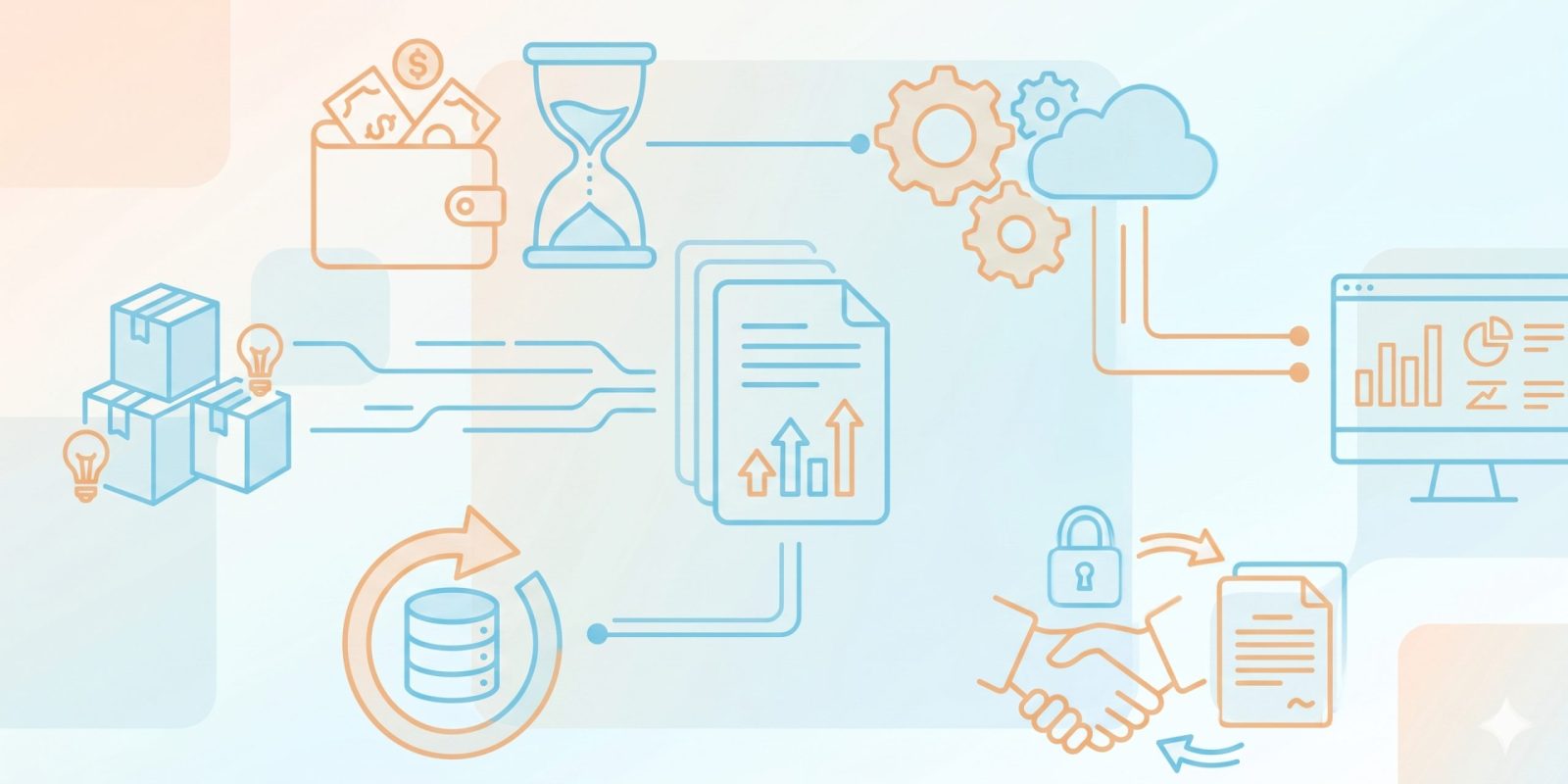
Che cos'è la Gestione del Capitale Circolante SaaS?
La riprova sociale è una popolare tattica psicologica in cui le persone prendono in considerazione il feedback e le impressioni degli utenti per prendere decisioni di acquisto diverse.
Le aziende SaaS utilizzano la riprova sociale per dimostrare che i loro prodotti offrono esperienze positive e rispondono alle esigenze degli utenti.
Costruire la fiducia è fondamentale per le aziende SaaS, poiché i clienti cercano soluzioni a lungo termine piuttosto che acquisti una tantum.
Quali sono i 4 Componenti del Capitale Circolante del SaaS?
Le attività in abbonamento gestiscono la liquidità a breve termine bilanciando quattro elementi contabili. Ciascuno di essi determina quanto a lungo l'organizzazione può continuare.
- Disponibilità Liquide ed Equivalenti: Denaro direttamente disponibile per lo sviluppo di software, la retribuzione del personale e il mantenimento dei server online.
- Crediti (AR): Entrate registrate dai clienti aziendali, ma non ancora incassate perché hanno acquistato licenze a credito.
- Debiti (AP): Le fatture immediate dovute a fornitori, agenzie di marketing o fornitori di tecnologia.
- Ricavi Differiti: Denaro incassato in anticipo dai clienti prima che il servizio venga erogato gradualmente per tutta la durata del contratto.
I casi aziendali collegano questi elementi nelle operazioni quotidiane. Ad esempio, i prepagamenti dei clienti presso una piattaforma di collaborazione aziendale si collegano alle retribuzioni del personale di ingegneria. Oppure un fornitore di storage cloud utilizza i propri termini di contabilità fornitori per allineare i costi dell'infrastruttura dopo il saldo delle fatture di credito aziendale.
Come influenza il Modello di Abbonamento le Metriche del Capitale?
Il modello di abbonamento comporta aggiustamenti standard agli schemi del ciclo di conversione della cassa a causa delle fatturazioni anticipate abbinate ai valori contrattuali e contabilizzate come passività. Quando un'impresa ottiene prepagamenti dai clienti che coprono un anno o più, la contabilità registra il movimento di cassa in quel momento. I ricavi differiti vengono registrati contemporaneamente. Questa disposizione si collega a un ciclo del capitale circolante, in cui i fondi dei clienti sono legati a varie attività aziendali al suo interno.
Un caso si presenta in un'applicazione di tracciamento del fitness per clienti commerciali. L'azienda raccoglie abbonamenti anticipati alla piattaforma su base annuale prima dell'inizio dell'erogazione. Tale processo associa elementi finanziari al gruppo di clienti e registra una rettifica immediata alle strutture di credito. Il saldo degli asset richiede ai team di esaminare molteplici fattori aziendali durante i controlli strategici di routine:
- Rapporto tra le fatturazioni dei contratti annuali rispetto ai contratti mensili a consumo.
- Tempistica delle riscossioni strutturali elencata per i saldi dei conti clienti delle grandi imprese.
- Scadenze di pagamento contrattuali indicate negli accordi con i fornitori di infrastrutture.
Come si prevedono le Esigenze di Capitale Circolante?
La pianificazione della liquidità applica un modello di previsione continua per proiettare le allocazioni di cassa su periodi stabiliti. I team finanziari applicano finestre temporali separate per gestire diverse voci operative:
- Orizzonte a 3 mesi: Registra i costi a breve termine, inclusi i pagamenti ai fornitori, i cicli di buste paga e i costi di scalabilità dell'infrastruttura.
- Orizzonte a 6 mesi: Registra i tassi di acquisizione clienti insieme agli aggiustamenti della pipeline e alle attività di marketing programmate.
- Orizzonte a 12 mesi: Elenca le tempistiche strategiche dei prodotti in relazione alle stime del personale e alle revisioni della struttura del capitale basate sui dati di cassa.
|
Metrica di Previsione |
Vantaggio Operativo Primario |
Potenziale Sfida Implementativa |
|
Ciclo di Cassa Continuo di 3 Mesi |
Supporta il flusso di cassa a breve termine e organizza i pagamenti settimanali ai fornitori. |
Collega le roadmap di prodotto a lungo termine con le risorse di cassa disponibili. |
|
Proiezione del capitale a 12 mesi |
Il processo utilizza il tracciamento e la modifica continui dei dati contabili. |
Soggetto a fluttuazioni di mercato e a fattori mutevoli di abbandono dei clienti. |
Devo ottimizzare il mio Quadro di Capitale Circolante?
I leader aziendali esaminano le pratiche di liquidità controllando una serie di indicatori di performance interni. Chiedete al vostro team di gestione: Quale parte del libro paga ordinario attinge dalle linee di credito in un dato trimestre? Come si allineano i periodi di riscossione dai conti aziendali con le tempistiche di sviluppo del prodotto? Notare schemi in queste aree può indirizzare i team verso un'analisi più approfondita delle metriche del capitale a breve termine come passo strategico. Le organizzazioni tipicamente danno priorità a certi fattori operativi in questo processo:
- Modelli nei tassi di fidelizzazione dei clienti registrati nei periodi recenti e la stabilità apparente di tali tassi.
- Durate del ciclo di vendita misurate sia nelle operazioni di fascia media che nei livelli enterprise.
- Livelli di performance giornalieri nelle riscossioni, insieme alla gestione dei crediti.
Come si implementano le Pratiche di Gestione del Capitale?
Per cogliere il concetto generale, si pensi alla liquidità operativa come alla linea di alimentazione del carburante di un motore; anche un motore eccezionalmente potente si arresterà se il flusso di carburante rimane irregolare o limitato. Le pratiche vengono implementate una volta creati incentivi di performance per i team di vendita. L'orientamento si sposta verso i pagamenti anticipati annuali e si allontana dalle strutture di fatturazione mensile. Inoltre, le divisioni finanziarie si impegnano nell'automazione per i solleciti dei crediti esigibili. La negoziazione di scadenze di pagamento estese avviene con i principali fornitori non critici. La gestione del capitale aziendale è correlata ai requisiti di finanziamento esterno e ai multipli di valutazione durante le future raccolte di capitale per investimenti, costituendo un'altra parte di questo quadro.
Quali sono i Vantaggi di una solida Gestione del Capitale Circolante?
Attività in abbonamento gestire le strutture fiscali a breve termine. I fattori operativi vengono esaminati. L'attività del ciclo di conversione della cassa di solito riduce esigenze di finanziamento esterno. Innanzitutto, le riserve di cassa interne sono considerate in relazione alla direzione di crescita. Successivamente, la diluizione del capitale o la dipendenza dal debito vengono registrate nel bilancio.
Gli acquirenti aziendali e gli investitori istituzionali prendono nota degli approcci di gestione del capitale quando esaminano le aziende. Le operazioni registrano generazione di cassa invece del consumo. Questa registrazione corrisponde a migliori multipli di valutazione che compaiono per le organizzazioni SaaS nelle raccolte di capitale istituzionale o nelle attività di M&A.
Conclusione
Le attività di capitale a breve termine si collegano alla crescita delle imprese software in modi specifici. Le aziende affrontano il processo di bilanciamento dei saldi di cassa con gli incassi, insieme alle passività da ricavi differiti. Queste dinamiche finanziarie interne si connettono alle valutazioni aziendali e ai risultati operativi nel tempo.
Pronto per iniziare?


 Italiano
  English
  Español
  Português
  Português do Brasil
  Français
  Deutsch
  Nederlands
  Polski
  Română
  Українська
  简体中文
简体中文  日本語
日本語  한국어
한국어