
zarządzanie finansami
Czym jest zarządzanie kapitałem obrotowym w SaaS?
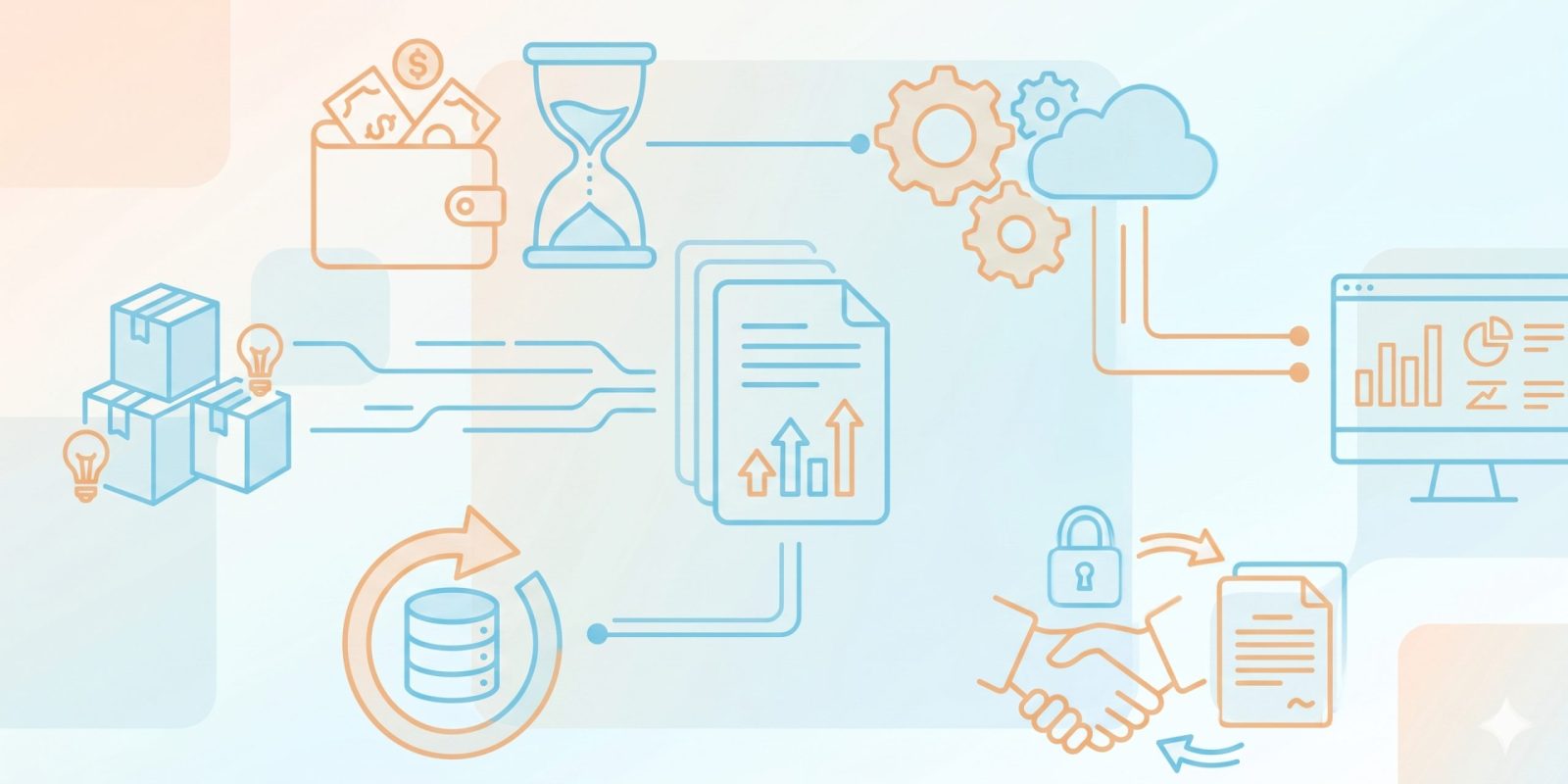
Czym jest zarządzanie kapitałem obrotowym w SaaS?
Dowód społeczny to popularna taktyka psychologiczna, w której ludzie biorą pod uwagę opinie i wrażenia użytkowników, aby podejmować różne decyzje zakupowe.
Firmy SaaS wykorzystują dowód społeczny, aby wykazać, że ich produkty zapewniają pozytywne doświadczenia i spełniają wymagania użytkowników.
Budowanie zaufania jest kluczowe dla firm SaaS, ponieważ klienci szukają rozwiązań długoterminowych, a nie jednorazowych zakupów.
Jakie są 4 składniki kapitału obrotowego SaaS?
Firmy subskrypcyjne zarządzają krótkoterminową płynnością, równoważąc cztery elementy księgowe. Każdy z nich wiąże się z tym, jak długo organizacja może funkcjonować.
- Gotówka i ekwiwalenty gotówki: Gotówka dostępna od ręki na tworzenie oprogramowania, wynagrodzenia personelu i utrzymanie serwerów online.
- Należności (AR): Przychody zaksięgowane od klientów korporacyjnych, jeszcze nieściągnięte, ponieważ kupili licencje na kredyt.
- Zobowiązania (AP): Natychmiastowe rachunki do zapłaty dla dostawców, agencji marketingowych lub dostawców technologii.
- Przychody przyszłych okresów: Gotówka pobrana z góry od klientów, zanim usługa zostanie stopniowo świadczona w ramach umowy.
Przypadki biznesowe łączą te elementy w codziennych operacjach. Na przykład, przedpłaty klientów na platformie do współpracy dla przedsiębiorstw łączą się z wynagrodzeniami inżynierów. Albo dostawca usług przechowywania w chmurze wykorzystuje swoje warunki płatności dla dostawców, aby koszty infrastruktury były zgodne po uregulowaniu faktur za kredyt korporacyjny.
Jak model subskrypcyjny wpływa na metryki kapitałowe?
Model subskrypcyjny wiąże się ze standardowymi dostosowaniami wzorców cyklu konwersji gotówki ze względu na rozliczenia zaliczkowe, powiązane z wartościami kontraktów i ujmowane jako zobowiązania. Gdy przedsiębiorstwo uzyskuje przedpłaty od klientów obejmujące rok lub dłużej, księgi rachunkowe odnotowują w tym momencie przepływ środków pieniężnych. Przychody przyszłych okresów są księgowane w tym samym czasie. Takie rozwiązanie łączy się z cyklem kapitału obrotowego, w którym środki klientów są powiązane z różnymi działaniami korporacyjnymi w jego ramach.
Jeden przypadek pojawia się w aplikacji do śledzenia kondycji fizycznej dla klientów komercyjnych. Firma pobiera z góry roczne subskrypcje za platformę, zanim rozpocznie się świadczenie usługi. Proces ten wiąże elementy finansowania z grupą klientów i rejestruje natychmiastową korektę w strukturach kredytowych. Bilans aktywów wymaga od zespołów zbadania wielu czynników spółki podczas rutynowych kontroli strategicznych:
- Stosunek rozliczeń z umów rocznych do miesięcznych umów w modelu pay-as-you-go.
- Strukturalny harmonogram windykacji należności dla dużych przedsiębiorstw.
- Umowne harmonogramy płatności odnotowane w umowach z dostawcami infrastruktury.
Jak prognozować potrzeby kapitału obrotowego?
Planowanie płynności stosuje model prognozy kroczącej do przewidywania alokacji środków pieniężnych w określonych okresach. Zespoły finansowe wykorzystują odrębne ramy czasowe do obsługi różnorodnych pozycji operacyjnych:
- Horyzont 3-miesięczny: Rejestruje koszty krótkoterminowe, w tym płatności dla dostawców, cykle płacowe oraz koszty skalowania infrastruktury.
- Horyzont 6-miesięczny: Odnotowuje wskaźniki pozyskiwania klientów wraz z korektami lejka sprzedażowego i zaplanowanymi działaniami marketingowymi.
- Perspektywa 12-miesięczna: Prezentuje strategiczne harmonogramy produktów w odniesieniu do szacunków liczby pracowników i przeglądów struktury kapitałowej, opartych na danych gotówkowych.
|
Metryka Prognozowania |
Główna Przewaga Operacyjna |
Potencjalne Wyzwanie Wdrożeniowe |
|
3-Miesięczny Kroczący Cykl Gotówkowy |
Wspiera krótkoterminowy przepływ gotówki i organizuje cotygodniowe wypłaty dla dostawców. |
Łączy długoterminowe mapy drogowe produktów z dostępnymi zasobami gotówkowymi. |
|
12-miesięczna prognoza kapitałowa |
Proces wykorzystuje bieżące śledzenie i modyfikację danych księgowych. |
Podlega fluktuacjom rynkowym i zmieniającym się czynnikom rotacji klientów. |
Czy muszę optymalizować moje ramy kapitału obrotowego?
Liderzy korporacyjni przeglądają praktyki zarządzania płynnością, analizując szereg wewnętrznych mierników wydajności. Zapytaj swój zespół zarządzający: Jaka część regularnych wypłat wynagrodzeń pochodzi z linii kredytowych w danym kwartale? Jak okresy ściągania należności od klientów korporacyjnych pokrywają się z harmonogramami rozwoju produktów? Dostrzeganie wzorców w tych obszarach może skierować zespoły do dokładniejszej analizy krótkoterminowych wskaźników kapitałowych jako jednego z kroków strategicznych. Organizacje zazwyczaj priorytetyzują pewne czynniki operacyjne w tym procesie:
- Wzorce wskaźników retencji klientów odnotowane w ostatnich okresach oraz stopień stabilności tych wskaźników.
- Długości cykli sprzedażowych mierzone zarówno w transakcjach dla średnich firm, jak i w segmencie korporacyjnym.
- Poziomy codziennej wydajności w windykacji, wraz z obsługą należności.
Jak wdrażać praktyki zarządzania kapitałem?
Aby zrozumieć nadrzędną koncepcję, pomyśl o płynności operacyjnej jako o przewodzie paliwowym zasilającym silnik; nawet wyjątkowo potężny silnik zgaśnie, jeśli przepływ paliwa pozostanie nieregularny lub ograniczony. Praktyki są wdrażane po ustanowieniu zachęt wydajnościowych dla zespołów sprzedaży. Kierunek przesuwa się w stronę rocznych płatności z góry i odchodzi od miesięcznych struktur rozliczeniowych. Dodatkowo, działy finansowe wdrażają automatyzację w zakresie monitorowania należności. Negocjacje w sprawie wydłużonych terminów płatności odbywają się z głównymi dostawcami niekrytycznymi. Zarządzanie kapitałem korporacyjnym ma związek z zewnętrznym zapotrzebowaniem na finansowanie i mnożnikami wyceny podczas przyszłych rund pozyskiwania kapitału inwestycyjnego, co stanowi kolejny element tego obrazu.
Jakie są korzyści efektywnego zarządzania kapitałem obrotowym?
Firmy subskrypcyjne obsługiwać krótkoterminowe struktury fiskalne. Czynniki operacyjne podlegają przeglądowi. Aktywność cyklu konwersji gotówki zazwyczaj obniża potrzeby finansowania zewnętrznego. Po pierwsze, wewnętrzne rezerwy gotówkowe są rejestrowane obok kierunku wzrostu. Następnie, rozwodnienie kapitału lub uzależnienie od długu są rejestrowane obok formy bilansu.
Nabywcy korporacyjni i inwestorzy instytucjonalni zwracają uwagę na podejścia do zarządzania kapitałem podczas przeglądania firm. Operacje rejestrują generowanie gotówki zamiast konsumpcji. Ta rejestracja odpowiada lepsze mnożniki wyceny które pojawiają się dla organizacji SaaS w instytucjonalnych rundach pozyskiwania kapitału lub działaniach M&A.
Wniosek
Krótkoterminowe aktywa kapitałowe odnoszą się do wzrostu przedsiębiorstw software'owych w określony sposób. Firmy przechodzą przez proces równoważenia sald gotówkowych z wpływami, wraz z zobowiązaniami z tytułu odroczonych przychodów. Te wewnętrzne dynamiki finansowe łączą się z wycenami korporacyjnymi i wynikami operacyjnymi w czasie.
Gotowy do rozpoczęcia?


 Polski
  English
  Español
  Português
  Português do Brasil
  Français
  Italiano
  Deutsch
  Nederlands
  Română
  Українська
  简体中文
简体中文  日本語
日本語  한국어
한국어