
Wskaźniki i KPI dla SaaS
Czym jest wartość rocznego kontraktu (ACV)?
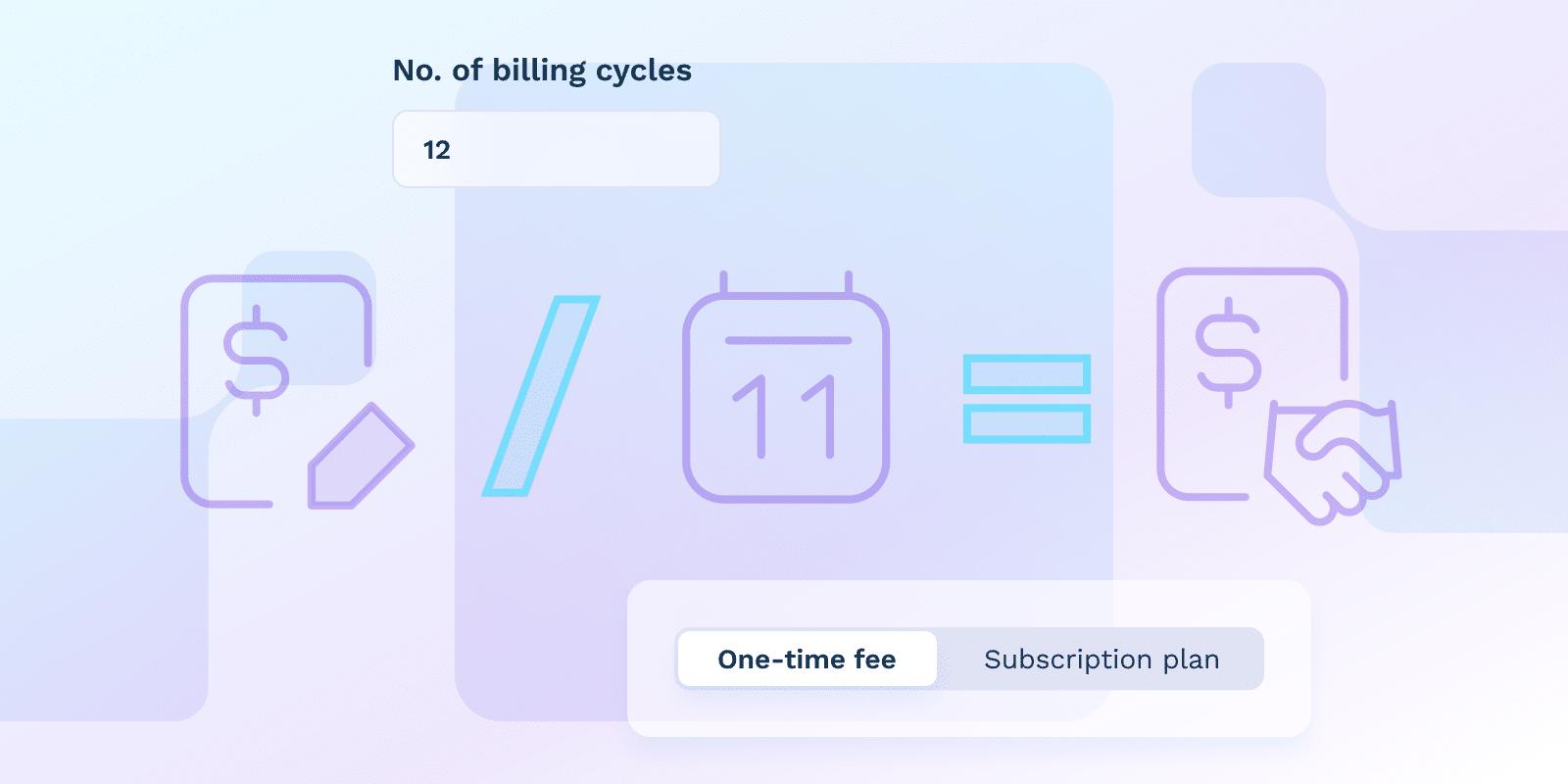
Czym jest wartość rocznego kontraktu (ACV)?
Annual Contract Value (ACV) is the average yearly revenue from one contract. According to SaaS Capital’s 2026 survey,the median ACV for private SaaS firms is $24,266.
ACV considers various factors, including an assessment of the contract’s approximate value, regardless of the holding period. Note: Do not confuse this with the Total Contract Value (TCV), which includes all revenues through the entire contract.
Jak obliczyć ACV?
ACV for single contracts is calculated by dividing the whole contract value by the total number of contract years. The formula is ACV = (total contract value − one-time fees, such as setup or onboarding) ÷ contract years. This will measure the ACV for each contract if you have numerous contracts.
Aby uzyskać ostateczne ACV, dodaj poszczególne ACV dla każdej umowy i podziel całkowitą kwotę przez liczbę umów. Na przykład umowa o wartości 12 000 USD rozłożona na trzy lata miałaby ACV w wysokości 4000 USD.
Pamiętaj, że techniki używane do obliczania ACV mogą się różnić w zależności od modelu biznesowego lub umowy.
Jaka jest różnica między ACV a różnymi modelami cenowymi?
ACV lub roczna wartość kontraktu opiera się na strategią cenową używane przez firmy SaaS.
Plany wielopoziomowe, Wycena oparta na wartości, i Cennik uzależniony od wykorzystania wszystkie koncentrują się na produkcie, który ma maksymalną wartość pod względem zasobów klienta i dlatego wpływa na ACV. Liczby te mogą być również ważne w aktywnym zarządzaniu ACV, szczególnie w przypadku firm SaaS, których modele cenowe mogą być celowo oparte na segmentach klientów i poziomach usług.
Ze względu na charakter modeli cenowych, takich jak włączanie dodatkowych funkcji i uwzględnianie niektórych zmiennych czynników cenowych, takich jak rabaty i potrącenia, należy dokładnie zbadać, aby uniknąć błędnego obliczenia ACV.
Jaka jest różnica między ACV a ARR?
ACV i ARR są kluczowymi wskaźnikami wydajności dla firm SaaS i oparte na subskrypcji businesses. However, the two revenue numbers measure different things. ACV value is the total revenue one can expect to earn from one customer over one year. The use of ACV is ideal for specific contract-level analysis as is the case with multi-year B2B SaaS contracts.
Natomiast ARR jest korzystny do oceny dochodów firmy w przypadku działań gospodarczych opartych na subskrypcjach.
Knowing the dissimilarities enables an organization to select appropriate options regarding pricing, income predictions, and business expansion directions.
| Funkcja | ACV | ARR |
|---|---|---|
| Definicja | ||
| Podstawowe znaczenie | Całkowity przychód od jednego klienta w ciągu roku | Powtarzalne dochody z subskrypcji |
| Najlepsze zastosowanie | Analiza na poziomie konkretnego kontraktu | Ocena ogólnych dochodów firmy |
| Charakterystyka analityczna | ||
| Skupienie | Wartość kontraktu indywidualnego klienta | Całkowity dochód firmy oparty na subskrypcjach |
| Złożoność obliczeń | Zależy od konkretnych warunków umowy | Bardziej znormalizowane obliczenia |
| Wgląd w biznes | ||
| Zastosowanie strategiczne | Decyzje dotyczące cen i konkretnych umów | Ogólna ocena wyników biznesowych |
| Typowa branża | B2B SaaS and contract-based services | Firmy oparte na subskrypcji |
Jakie są wyzwania związane z ACV?
ACV is the average contract value over the years of the customer relationship. It’s a useful way to determine revenue but it comes with some disadvantages that need to be kept in mind when using ACV as a decision-making point.
- ACV, ze względu na swoją naturę jako średnia, maskuje różnice w indywidualnych kwotach kontraktów.
- ACV relies on average values, neglecting individual contract specifics within an organization. While large contracts can be advantageous, they can also create complexities that make accurate prediction more challenging.
- ACV is not a standard metric, and each person may have a unique way of determining it, leading to issues with comparisons and making benchmarks. SaaS Capital reports a median ACV of $24,266 for private SaaS companies. Just make sure you’re comparing figures calculated using the same methodology.
Jaki jest związek między ACV a odpływem klientów?
ACV and customer churn move in opposite directions: higher-ACV companies usually retain more revenue. According to SaaS Capital, companies with net revenue retention of 120% or higher have a median ACV of $61,802, compared to $26,269 for those below that threshold.
This correlation stems primarily from the greater costs and the high value of the contracts. Companies characterized by high ACVs have lower structural churn, especially in comparison to lower ACVs and higher churn rates in the case of SMBs. This warrants ensuring that the focus isn’t only on ACV but rather uses it to cut down on churn and also increases the chances of more contracts being rolled over or expanded.
W jaki sposób ACV jest optymalne w podnoszeniu cen SaaS?
ACV allows SaaS companies to examine the relationship between pricing tiers and profitability, oraz they can also adjust pricing to generate additional gains.
If you compare CAC with ACV, you can calculate the payback time. A $6,000 acquisition cost on a $4,000 contract value takes 18 months of revenue to break even.
Firmy analizują ACV, aby zidentyfikować ważnych klientów i rozważyć potencjalne dostosowania przychodów w oparciu o ich potrzeby, w tym rabaty i zachęty. To podejście może mieć wpływ Retencja klientów i potencjalnie wpływać na wzrost przychodów, chociaż sukces może być różny. ACV staje się wtedy narzędziem do podejmowania decyzji zarządczych, w tym menu strategii i poprawności prognozowania przychodów w biznesie.
Jednakże, looking at ACV insights will, like other forms of analysis, need to be supplemented with other relevant data and market research in making pricing decisions.
Wniosek
ACV is a metric used to determine a customer subscription’s annual value, help set pricing strategies, and build growth. ACV is important for revenue streams and increasing overall profitability. It’s essential to leverage this metric for business strategies, forecasting, and attaining growth in the ever-evolving subscription economy.
Gotowy do rozpoczęcia?


 Polski
 English
 Español
 Português
 Português do Brasil
 Français
 Italiano
 Deutsch
 Nederlands
 Română
 Українська
 简体中文
 日本語
 한국어