
SaaS 指标和 KPI
什么是年度合同价值 (ACV)?
什么是年度合同价值 (ACV)?
Annual Contract Value (ACV) is the average yearly revenue from one contract. According to SaaS Capital’s 2026 survey,the median ACV for private SaaS firms is $24,266.
ACV considers various factors, including an assessment of the contract’s approximate value, regardless of the holding period. Note: Do not confuse this with the Total Contract Value (TCV), which includes all revenues through the entire contract.
如何计算年度合同价值 (ACV)?
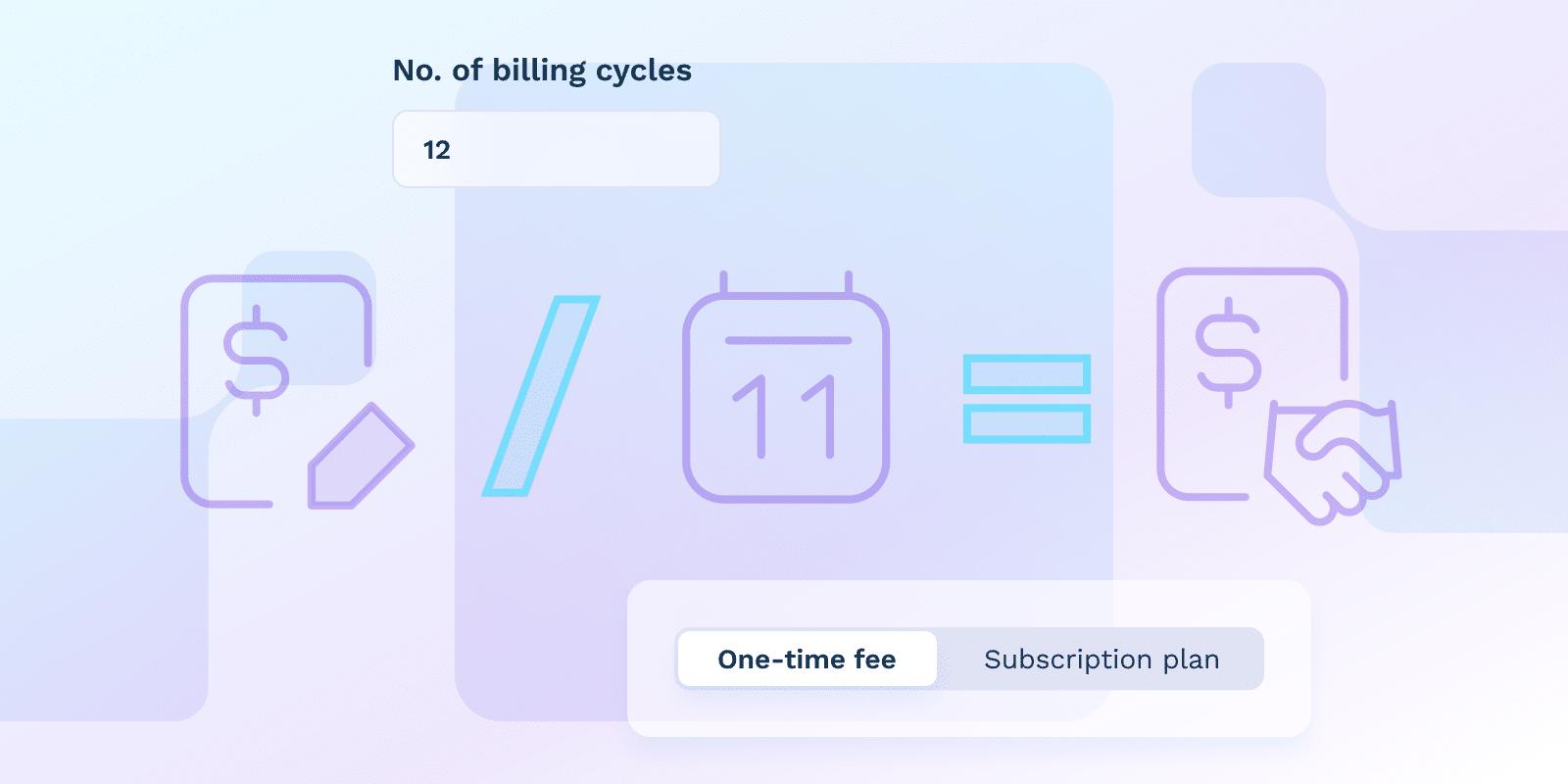
ACV for single contracts is calculated by dividing the whole contract value by the total number of contract years. The formula is ACV = (total contract value − one-time fees, such as setup or onboarding) ÷ contract years. This will measure the ACV for each contract if you have numerous contracts.
要获得最终的 ACV,请将每个合同的单独 ACV 相加,然后将总和除以合同数量。例如,一项价值 12,000 美元、为期三年的协议的 ACV 将为 4,000 美元。
请记住,用于计算 ACV 的方法可能会因业务模式或合同而异。
ACV 和 ARR 之间有什么区别?
ACV和ARR都是SaaS公司的关键绩效指标,并且 基于订阅的 businesses. However, the two revenue numbers measure different things. ACV value is the total revenue one can expect to earn from one customer over one year. The use of ACV is ideal for specific contract-level analysis as is the case with multi-year B2B SaaS contracts.
相比之下,ARR有利于评估以订阅为主的经济活动的业务收入。
Knowing the dissimilarities enables an organization to select appropriate options regarding pricing, income predictions, and business expansion directions.
| 功能 | ACV | ARR |
|---|---|---|
| 定义 | ||
| 基本含义 | 一年内来自一个客户的总收入 | 订阅的经常性业务收入 |
| 最佳用途 | 特定合同级别的分析 | 评估整体业务收入 |
| 分析特征 | ||
| 重点 | 单个客户合同价值 | 基于订阅的全部业务收入 |
| 计算复杂度 | 取决于具体的合同条款 | 更标准化的计算 |
| 商业洞察 | ||
| 战略用途 | 定价和特定合同决策 | 整体业务绩效评估 |
| 典型行业 | B2B SaaS and contract-based services | 基于订阅的业务 |
ACV 的挑战是什么?
ACV is the average contract value over the years of the customer relationship. It’s a useful way to determine revenue but it comes with some disadvantages that need to be kept in mind when using ACV as a decision-making point.
- ACV 本质上是一个平均值,它掩盖了单个合同金额的差异。
- ACV relies on average values, neglecting individual contract specifics within an organization. While large contracts can be advantageous, they can also create complexities that make accurate prediction more challenging.
- ACV is not a 标准 metric, and each person may have a unique way of determining it, leading to issues with comparisons and making benchmarks. SaaS Capital reports a median ACV of $24,266 for private SaaS companies. Just make sure you’re comparing figures calculated using the same methodology.
年度合同价值 (ACV) 与客户流失之间有什么关系?
ACV and customer churn move in opposite directions: higher-ACV companies usually retain more revenue. According to SaaS Capital, companies with net revenue retention of 120% or higher have a median ACV of $61,802, compared to $26,269 for those below that threshold.
This correlation stems primarily from the greater costs and the high value of the contracts. Companies characterized by high ACVs have lower structural churn, especially in comparison to lower ACVs and higher churn rates in the case of SMBs. This warrants ensuring that the focus isn’t only on ACV but rather uses it to cut down on churn and also increases the chances of more contracts being rolled over or expanded.
年度合同价值 (ACV) 如何在优化 SaaS 定价方面发挥作用?
ACV allows SaaS companies to examine the relationship between pricing tiers and profitability, 和 they can also adjust pricing to generate additional gains.
If you compare CAC with ACV, you can calculate the payback time. A $6,000 acquisition cost on a $4,000 contract value takes 18 months of revenue to break even.
公司分析 ACV 以识别重要客户,并根据他们的需求考虑潜在的收入调整,包括折扣和激励措施。这种方法会影响 客户留存 并且可能会影响收入增长,尽管成功与否可能因情况而异。ACV 随后成为管理决策的工具,包括战略选择和业务收入预测的准确性。
然而, looking at ACV insights will, like other forms of analysis, need to be supplemented with other relevant data and market research in making pricing decisions.
结论
ACV is a metric used to determine a customer subscription’s annual value, help set pricing strategies, and build growth. ACV is important for revenue streams and increasing overall profitability. It’s essential to leverage this metric for business strategies, forecasting, and attaining growth in the ever-evolving subscription economy.
准备好开始了吗?


 简体中文
 English
 Español
 Português
 Português do Brasil
 Français
 Italiano
 Deutsch
 Nederlands
 Polski
 Română
 Українська
 日本語
 한국어