
云成本优化
什么是SaaS定价模式?
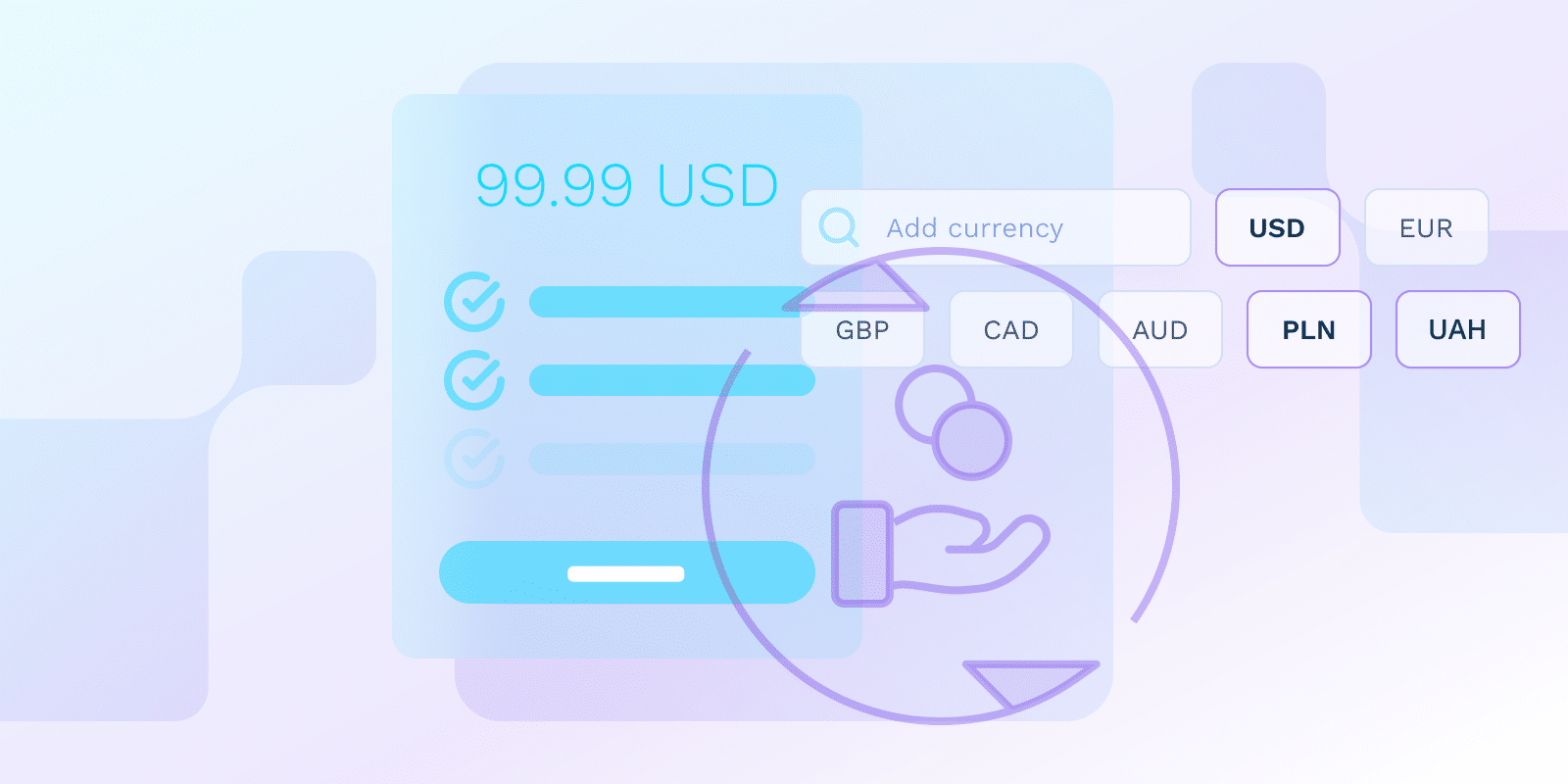
什么是定价模型?
定价模式是软件即服务 (SaaS) 提供商用来确定如何向客户收费的方法。每种模式都有其优点,并且每种模式都以不同的方式满足客户的需求。 Choices vary with company stage: in Growth Unhinged’s 2026 survey of 230 B2B software and AI companies, 37% of those under $5M ARR used flat fees.
Apart from helping businesses set up a monetization practice, pricing models also define what users get for that price.
SaaS中有哪些不同的定价模式?
The main SaaS pricing models are flat-rate, usage-based, tiered, per-user, per-feature and freemium pricing:
- 统一费率定价: 所有功能的单一价格,通常具有无限使用量。这种模式简单且可预测。
- 按使用量定价: Also called consumption-based pricing, it charges by how much the customer uses the software (e.g., per API call, per transaction, per GB of storage).
- 分级定价: 这种定价模式提供一系列具有不同功能和价格的套餐。
- 按用户定价: 顾名思义,成本会随着用户的增加而增加。当您的团队扩大时,这种模式可能会变得昂贵。
- 按功能定价: 此模式中的费用是根据所需的功能计算的。
- 免费增值定价: 在此模式中,SaaS提供商免费提供软件的基本、有限功能,同时对高级和附加功能收费。
| 定价模式 | 主要特征 | 最适合 | 潜在挑战 |
|---|---|---|---|
| 基本定价结构 | |||
| 固定费率定价 | 所有功能单一价格,无限使用 | 具有稳定价值的简单产品 | 灵活性有限,可能无法满足不同的客户需求 |
| 按用户定价 | 成本随每位新增用户而增加 | 团队协作工具、企业解决方案 | 对于较大的团队来说可能会变得昂贵 |
| 灵活的定价模式 | |||
| 按使用量定价 | 成本由实际软件使用量决定 | 具有可变消耗的服务(存储、交易) | 客户成本不可预测,计费复杂 |
| 分层定价 | 具有不同功能和价格的多种方案 | 具有不同客户群的产品 | 选项太多可能会让人不知所措 |
| 按功能定价 | 按所使用的具体功能计算成本 | 具有模块化功能的复杂软件 | 潜在的客户困惑,选择过程复杂 |
| 以获客为中心的模式 | |||
| 免费增值定价 | 基本功能免费,高级功能付费 | 寻求快速用户增长的产品 | 平衡免费和付费功能,转化挑战 |
SaaS应用程序通常如何定价?
Several factors affect the pricing of SaaS applications (for the full process, see how to price a SaaS product):
- 功能和特性: 功能更全面的软件通常价格更高。
- 目标市场: 价格可能会调整以适应特定行业或客户群的预算。
- 价值主张: 软件在解决客户问题方面的感知价值起着至关重要的作用。
- 竞争: 定价可能受到竞争对手对类似产品收费的影响。
- 托管和 基础设施 成本: The provider’s costs for maintaining servers and infrastructure can impact pricing.
影响SaaS定价决策的关键因素是什么?
The key factors influencing SaaS pricing decisions are acquisition cost, operating cost, lifetime value, churn and margin. 为了在业务增长和 赢得新客户之间取得平衡, SaaS companies must track them when setting SaaS定价策略:
- 客户获取成本 (CAC):获取新客户的成本。
- 运营成本: To maintain healthy operating margins, software service providers must control operational costs. This can require cutting cloud costs.
- Customer Lifetime Value (CLTV) – This is the revenue a customer is expected to bring in over the time they stay with the company.
- 客户流失率:这是定义已取消服务或产品订阅的客户百分比的指标。这里的目标是确定一个价格,在保持软件价格较高的同时降低客户流失率。
- Profit Margins: The amount of profit that a company wishes to attain from that particular 产品.
Choices also vary with company stage: in Growth Unhinged’s 2026 survey of 230 B2B software and AI companies, 37% of those under $5M ARR used flat fees, while 29% of those above 150 million dollars in ARR used per-seat pricing. Companies can also combine two or more models, which is 混合定价.
什么是SaaS定价本地化?
SaaS定价本地化是指通过考察客户所在地及其对价格的影响来确定价格的过程。在进行价格本地化时,SaaS企业需要考虑货币、购买力以及文化和社会规范等因素。
其他提示:
- 在选择SaaS产品时,请仔细考虑您的预算、使用模式和所需功能。
- 寻找提供商提供的透明定价信息。
- 注意隐藏成本,例如设置费或超额费用。
- 比较不同的提供商和定价模式,以找到最适合的。
结论
选择一个 定价模式 that is appropriate for your audience and market as a whole is an essential aspect of the profitability and the success of the SaaS product. By comprehending the different strategies and the factors behind them, SaaS providers can customize their strategies to the particular desires of the consumers and market.
准备好开始了吗?


 简体中文
 English
 Español
 Português
 Português do Brasil
 Français
 Italiano
 Deutsch
 Nederlands
 Polski
 Română
 Українська
 日本語
 한국어