
SaaS платежі
Що таке Merchant of Record (MoR)?
Офіційний продавець (Merchant of Record), або MoR, є визначеною юридичною особою, відповідальною за нагляд за транзакцією – що охоплює обробку платежів, нарахування та сплату необхідних податків, дотримання регуляторних стандартів та організацію підтримки з питань, пов'язаних з транзакцією. У цій угоді SaaS-бізнес зазначений як той, що пропонує продукт і зберігає свою роль у питаннях клієнтів, пов'язаних з функціями продукту, тоді як MoR є власником транзакції.
Я провів майже двадцять років, створюючи інфраструктуру, яка забезпечує роботу процесів оформлення замовлень інших компаній. За цей час майже кожен засновник, який починає міжнародні продажі, стикається зі схожим набором подій. Ви створюєте продукт. Потім з Німеччини надходить повідомлення про ПДВ, на ваш рахунок призначається чарджбек, і ви виявляєте, що два квартали тому перевищили поріг для реєстрації податку з продажу в трьох штатах США.
Цей посібник описує структуру Merchant of Record, деталізує його операційну модель та перераховує пункти, за допомогою яких ви можете оцінити, чи відповідає цей підхід вашим бізнес-потребам.
Що таке Merchant of Record?
Офіційний продавець (або MoR) — це юридична особа, уповноважена продавати товари чи послуги клієнту та приймати оплату за цей продаж. MoR відображається в транзакційних документах і керує обробкою платежів, а також такими вимогами, як податки, чарджбеки та відповідальність за дотримання нормативних вимог, що виникають при транзакції.
Ось деякі деталі, що випливають з цього визначення:
- Офіційний продавець часто відрізняється від компанії, яка створює продукт. Працюючи з провайдером MoR, ви зберігаєте відповідальність за розробку програмного забезпечення, а провайдер MoR виступає як офіційний продавець.
- Офіційний продавець несе відповідальність за функції відповідності. Наприклад, у випадках, коли податок з покупки німецького клієнта не розрахований належним чином, будь-які запити від податкових органів спрямовуються до MoR.
- Інформація офіційного продавця відображається у фінансовій виписці клієнта. Ця домовленість відображає розподіл відповідальності та вказує, яка сутність здійснює продаж як продавець-реєстратор.
За що відповідає продавець-реєстратор?
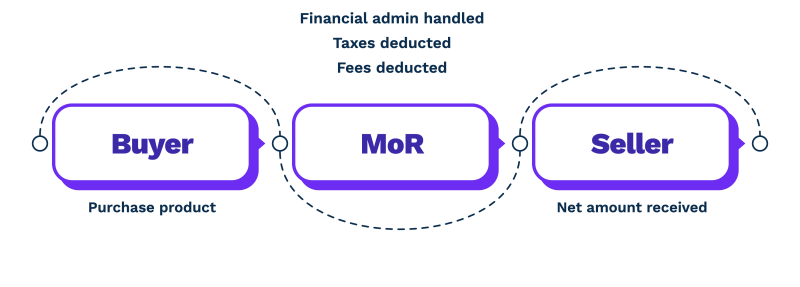
Продавець-реєстратор контролює всі аспекти транзакції, необхідні для забезпечення відповідності продажу відповідним юридичним та фінансовим вимогам. Це може включати управління непрямими податками, платежі, шахрайство та повернення платежів, а також дотримання сертифікатів безпеки.
| Відповідальність | Що воно охоплює |
| Податкова реєстрація, розрахунок, збір та перерахування | ПДВ, GST та податок з продажів США, що застосовуються за ставкою, яка діє за місцем знаходження покупця, потім декларуються та сплачуються кожному органу влади |
| Обробка платежів та розрахунки | Картки, гаманці, банківські перекази та місцеві способи оплати, що стягуються у валюті покупця та перераховуються вам |
| Чарджбек та врегулювання суперечок | MoR – це організація, до якої звертається банк-емітент під час чарджбеку, а також організація, на коефіцієнти обробки якої впливають оскаржені транзакції. |
| Скринінг шахрайства | Передбачає оцінку кожного замовлення для виявлення можливих ризиків до остаточного підтвердження платежу. |
| Відповідність вимогам безпеки платежів | Відповідальність за сертифікацію PCI DSS лежить на MoR; ваш продукт ніколи не має доступу до необроблених даних карток. |
| Відповідність правилам захисту даних та платіжних систем. | GDPR та еквівалентні норми конфіденційності, разом із вимогами Visa, Mastercard та AMEX, контролюються та виконуються у міру їхнього розвитку. |
| Дотримання законодавства про захист прав споживачів у точці продажу. | Терміни повернення, права на відмову та платіжна інформація різняться залежно від географії та мають бути точними у точці продажу. |
Якщо проводиться розслідування будь-якої конкретної транзакції податковим органом, банком або регулятором, тоді фігуруватиме назва MoR.
На додаток до дотримання нормативів, MoR встановлює процедури для обробки платежів, коли транзакції не завершуються за планом, наприклад, якщо система перевірки відхиляє транзакцію, що виходить за межі звичних шаблонів. Замість того, щоб автоматично відхиляти всі такі транзакції, MoR може переглядати замовлення, повторно здійснювати платежі або перевіряти інформацію, коли це доречно. Ці відновлення доходу процедури використовуються для вирішення проблеми відхилення платежів та окреслюють кроки для будь-яких необхідних подальших дій з клієнтами.
Як працює модель Merchant of Record?
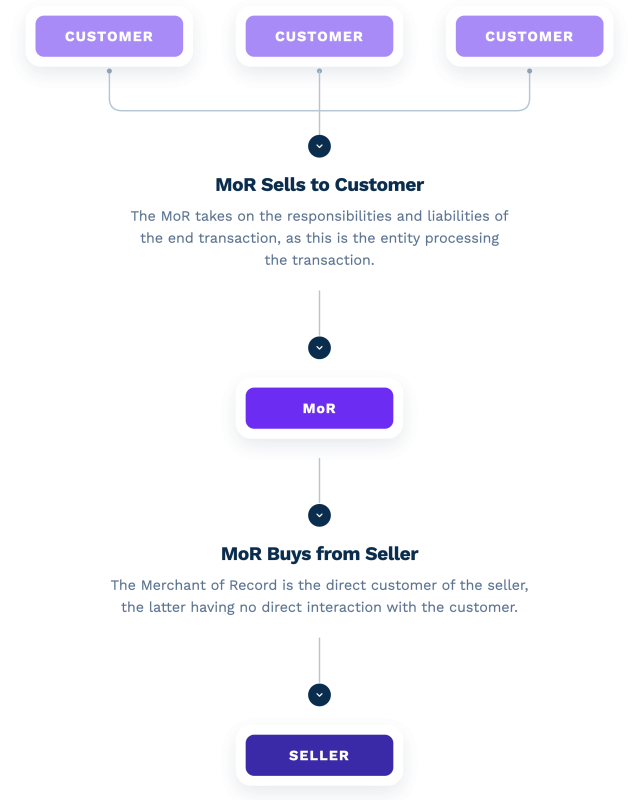
Модель Merchant of Record зосереджена на двоетапному процесі. Спершу ваш бізнес надає товари або послуги MoR за оптовою ціною. Потім MoR здійснює роздрібний продаж кінцевому клієнту. Клієнт взаємодіє з цією роздрібною транзакцією, а відповідальність за податки та відповідність нормативним вимогам переходить до MoR.
- Під час оформлення замовлення, дії клієнта керуються в межах юридичної структури MoR.
- Транзакція здійснюється від імені MoR. Угода укладається безпосередньо між постачальником та клієнтом, що призводить до зазначення назви MoR у квитанціях та банківських виписках.
- Податок розраховується відповідно до платіжної адреси клієнта, з використанням чинних місцевих ставок і додається під час покупки. Це може бути ПДВ (VAT) в ЄС та Великій Британії, державний та місцевий податок з продажів у США.
- MoR відповідає за складання необхідних податкових документів та здійснення платежів відповідним органам влади.
- Чистий дохід виплачується. Ви отримуєте дохід за вирахуванням податків, комісій та повернень коштів, згідно з графіком виплат провайдера.
Ця система дозволяє MoR здійснювати операції в місцях, де SaaS-бізнес не має юридичного статусу – провайдер вже має такий, тож ви пропускаєте етап створення місцевих юридичних осіб. Працюючи з місцевими банками, MoR адаптує типові процедури для кожного регіону та керує платежами у стандартних валютах регіону, тому ваші показники схвалення, як правило, покращаться.
Офіційний продавець проти постачальника платіжних послуг
A постачальник платіжних послуг перераховує кошти від клієнта до бізнесу, тоді як офіційний продавець також бере на себе відповідальність та будь-які інші пов'язані обов'язки. Офіційний продавець виконує всю роботу та несе повну відповідальність, що включає податки, чарджбеки та інші стандарти відповідності.
| Продавець-рекордсмен | Постачальник платіжних послуг | |
| Юридичний продавець | MoR | Ваша компанія |
| Податкова реєстрація | Офіційний продавець здійснює податкові реєстрації | Ваша команда здійснює реєстрації в усіх місцях, що вимагаються нормативними актами |
| Обробка податків | Домовленості MoR включають розрахунок та перерахування як компонент послуги | Ваша компанія або третя сторона виконує ці обов'язки |
| Вирішення чарджбеків | MoR отримує та відповідає на суперечки щодо транзакцій | Ваш бізнес використовує власні встановлені процедури для врегулювання суперечок |
| обсягу PCI DSS | MoR надає необхідні сертифікації для виконання своєї ролі обробника | Розподілено, залежно від інтеграції |
| Назва у виписці клієнта | Назва MoR зазначена у виписках про покупки | Назва вашого бізнесу |
| Найкраще для | MoRs можуть бути обрані для полегшення виходу на ринки, де бізнес не має місцевої юридичної особи. | PSPs зазвичай використовуються організаціями, які прагнуть керувати платежами та дотриманням вимог внутрішньо. |
Яка різниця між PayFac та мерчантом оф рекорд?
A платіжний фасилітатор організовує роботу вашого бізнесу як субмерчанта під своїм обліковим записом, щоб ви могли почати приймати платежі після завершення стандартного налаштування. На відміну від цього, продавець-посередник виступає продавцем для всіх транзакцій і бере на себе пов'язані з цим юридичні та фінансові ролі. З PayFac ваш бізнес залишається відповідальним за управління податковими та комплаєнс-питаннями, тоді як продавець-посередник бере на себе ці зобов'язання.
| Продавець-рекордсмен | Платіжний фасилітатор | |
| Ваш статус | Постачальник для MoR | Субмерчант під головним обліковим записом |
| Юридичний продавець | MoR | Ви |
| Податкові зобов'язання | МОР-а | Ваші |
| Зворотні платежі | МОР-а | Зазвичай ваші |
| Ім'я в чеку | MoR | Зазвичай ваші |
| Основний фокус | Комплаєнс, відповідальність та глобальне охоплення | Швидкість підключення |
Мерчант запису проти Продавця запису
Що стосується договорів купівлі-продажу, продавець за документом – це просто суб'єкт, зазначений як продавець, тобто сторона, у якої клієнт здійснює покупку, з юридичної точки зору. Натомість, торговець за документом відповідає за обробку платежу та керує зобов'язаннями, такими як розрахунок податків і дотримання вимог, пов'язаних з транзакцією. Іноді провайдер торговця за документом виконує як роль продавця за документом, так і роль торговця за документом, хоча це не є універсальним правилом. Завжди доцільно з'ясувати, яку роль ваш провайдер виконує у вашій системі, щоб точно оцінити, які податки або обов'язки можуть все ще лежати на вас.
Чи потрібен мені мерчант запису?
Це питання виникає, коли ви продаєте товари онлайн за кордон і бажаєте мати легкі у впровадженні альтернативи щодо непрямого оподаткування. Насправді, значення має кількість податкових юрисдикцій, з якими потрібно мати справу, а не розмір вашого бізнесу.
Коли Merchant of Record може бути корисним?
- Ви здійснюєте продажі в ЄС, Великій Британії або в кількох штатах США, і не маєте там юридичних осіб.
- Ваша компанія стикається з обов'язками щодо податку з продажів в інших регіонах, особливо якщо ці регіони керують податками інакше, ніж ваша рідна країна.
- Ваш бізнес не має окремої команди, що займається податками та комплаєнсом, а створення такої команди є порівнянним за вартістю з послугою MoR.
- Якщо ви продаєте за підпискою, існують постійні вимоги до комплаєнсу для ваших платіжних циклів, які автоматизована система, надана провайдером, може обробляти зі свого боку як частину послуги.
- Процеси повернення коштів (чарджбеків) іноді містять додаткові галузеві вимоги, і деякі послуги Merchant of Record мають інструменти, які вирішують ці питання.
Також є випадки, коли вам може не знадобитися Merchant of Record:
- Продажі здійснюються в одній країні та залишаються нижче місцевих реєстраційних порогів.
- Місцеві корпоративні структури та команди з комплаєнсу вже керують регуляторними вимогами на ваших основних ринках.
- Важливо зберігати повний контроль над платіжним досвідом, даними клієнтів та умовами договору.
- Витрати та процеси ваших поточних податкових та комплаєнс-практик вже є стандартними у вашій бізнес-структурі.
Одна категорія, як правило, виключається з процесу: компанії, що не дотримуються вимог. Оскільки MoR стає юридичним продавцем і бере на себе повну відповідальність, він керує своїми власними KYC і відхилить – або закладе ризики у вартість – продукти, які наражають його на юридичну, репутаційну або фінансову шкоду. Якщо ваш продукт належить до обмеженої або невідповідної категорії, перевірка може передбачати застосування категорійних умов або інший шлях обробки, а не лише вищу ставку.
«Офіційний продавець» охоплює більше ніж один вид угод. Постачальник може виступати в ролі офіційного продавця, беручи на себе відповідальність лише за певні питання платежів. Інші постачальники можуть займатися врегулюванням або розглядом спорів, при цьому індивідуальні податкові чи договірні зобов'язання все ще залишаються за вашим бізнесом. Завжди вивчайте конкретний договір і прямо запитуйте про відповідальність, щоб точно зрозуміти, які зобов'язання передаються.
Коли офіційний продавець не підходить
Модель Merchant of Record має певні фактори, які варто оцінити, особливо при розгляді загальних витрат та того, як ця модель відповідає вашій бізнес-структурі або вподобанням. У цю модель вбудовано декілька компромісів, які слід врахувати:
- Ви більше не керуєте безпосередньо платіжними відносинами. Постачальник є продавцем. Способи використання платіжної інформації, такої як платіжні дані клієнта, рахунки-фактури або платіжний договір, можуть залежати від того, як налаштовані власні системи постачальника.
- Назва постачальника буде вказана у виписках клієнтів. Для деяких брендів це може означати, що клієнти час від часу звертаються до служби підтримки, якщо вони не знайомі з цим списанням.
- Гнучкість ціноутворення обмежена тим, що підтримує платіжна система постачальника. Деякі провайдери можуть не підтримувати всі доступні моделі тарифікації, а можливості глибокої кастомізації різняться між організаціями.
- Загальна вартість може зростати зі зростанням вашого доходу. Натомість, наявність власної фінансової або комплаєнс-системи може не зростати так сильно, тому порівняння варіантів може допомогти у прийнятті рішень.
Під час планування корисно пам'ятати, що міграція не є безкоштовним. Компанії, що відмовляються від моделі Merchant of Record, можуть стикнутися зі змінами, як-от податкові аспекти, контракти та коригування рахунків. Якщо ваш бізнес переважно працює в одному регіоні, вже має системи для забезпечення комплаєнсу або прагне особливого контролю над виставленням рахунків, використання постачальника платіжних послуг із податковим рішенням може обійтися дешевше.
На що звернути увагу у Merchant of Record залежно від етапу вашого бізнесу?
Вибір правильного Merchant of Record зазвичай пов'язаний зі структурою та методами вашого бізнесу, а не з його загальним розміром. Компанія, що пропонує один продукт, і підприємство, яке керує складними програмними транзакціями, можуть використовувати модель Merchant of Record, але їхні вимоги часто відрізняються. Перегляд ваших операційних потреб перед вивченням пропозицій постачальників може допомогти організувати ваш пошук.
| Як це підходить вашому бізнесу | Що важливо від MoR |
| Стартап, інді-розробник, або перший продукт | Швидкі процедури онбордингу, використання керованої каси замість створення власної, політики обсягу, що не вимагають мінімуму, та інформація про вартість. |
| Міжнародні продажі для SaaS на ранній стадії | Базовий білінг підписок, підтримка безкоштовних пробних періодів або змін тарифних планів, обробка податків у таких регіонах, як ЄС та США, функції управління невдалими платежами, пряме API-підключення. |
| Зростаючий SaaS зі складним білінгом | За використанням та гібридного ціноутворення, автоматичне/ручне/гібридне поновлення, визнання доходу, стягнення заборгованості, виділений менеджер по роботі з клієнтами |
| Корпоративний або B2B програмне забезпечення | Замовлення на купівлю та виставлення рахунків, багатосуб'єктні контракти, можливість узгодження з внутрішніми процесами закупівель, організоване ведення податкової документації, та постійні виділені канали підтримки. |
| Відеоігри та застосунки | Внутрішньозастосунковий та платежі поза магазином застосунків, відображення регіональних цін, що відповідають регіону, перевірка на шахрайство при великих обсягах транзакцій, та методи моніторингу та реагування на відшкодування платежів. |
Ключові аспекти порівняння між провайдерами офіційного продавця зазвичай не змінюються, навіть якщо потреби бізнесу міняються. Більшість провайдерів можна порівнювати за однаковим набором критеріїв, описаних нижче в цьому посібнику.
Два питання відрізняють провайдерів більше, ніж ціна. Чи підтримує провайдер модель поновлення та ціноутворення, яку ви дійсно використовуєте, чи лише стандартну регулярну тарифікацію? І яка підтримка доступна, щоб допомогти завершити платіж о 2 годині ночі на новому ринку? Запитайте обидва перед тим, як порівнювати тарифи – вони впливають на відповідь більше, ніж відсотковий пункт. І розглядайте досвід провайдера як критерій: новіший або менш перевірений MoR може не впоратися з усім спектром нетипових випадків, а системні помилки можуть вплинути на ваш дохід.
Як обрати правильного офіційного продавця?
Незалежно від етапу розвитку вашого бізнесу, існують ті самі одинадцять критеріїв, які ви можете використовувати для оцінки провайдера офіційного продавця. Наведений нижче список покликаний визначити сфери, які відрізняються між провайдерами.
| Що перевірити | Чому це важливо | Що запитати у постачальника |
| Платіжні канали та валюти | Вибір платіжних методів та валют окреслює доступні варіанти для клієнтів. Офлайн-варіанти, такі як банківські перекази, замовлення на оплату (POs), чеки, продовжують відігравати роль у певних бізнес-середовищах B2B. | Які платіжні методи та валюти доступні на наших п'яти провідних ринках, і чи підтримуються офлайн-платежі? |
| Глобальне охоплення | Постачальники надають послуги, що обслуговують регіони за межами вашої рідної країни. Корисно розуміти, на які ринки можна вийти без створення місцевої юридичної особи. | У яких регіонах наша компанія зможе негайно приймати платежі? |
| Локалізована обробка платежів | Місцева обробка надає транзакцію, валюту та мову оформлення замовлення, які відповідають покупцеві, підвищуючи рівень авторизації та зменшуючи помилки й затримки. | Де обробляються локалізовані платежі та який показник схвалення показник? |
| PCI DSS Рівень 1 | Найвищий, 1-й рівень валідації безпеки платежів. Цифрові платежі залишаються основною мішенню для шахрайства, тому власна сертифікація постачальника знімає цю відповідальність з вас. | Чи можете ви надати поточні деталі сертифікації разом з інформацією про область дії та оцінювача? |
| Просте ціноутворення | Проста схема ціноутворення легше зрозуміти при порівнянні фактичної вартості, включаючи додаткові збори. | Що включено в кожен тариф, і чи є інші збори за онбординг, індивідуальні функції або міжнародні транзакції? |
| Швидка інтеграція з підтримкою | Інтеграція зазвичай відбувається за встановленими процесами онбордингу, при цьому складні системи іноді вимагають додаткової технічної координації. | Як виглядає стандартний процес онбордингу, і які ролі з вашої команди контролюють цей процес? |
| Багатомовна підтримка 24/7 | Обсяг доступної клієнтської підтримки, включно з мовами спілкування та годинами допомоги, залежить від постачальника. | Хто надає клієнтську підтримку в неробочі години на незнайомих ринках і які мови підтримуються? |
| Управління чарджбеками та суперечками | Чарджбеків неможливо уникнути, ними можна лише керувати – виправляючи першопричину та належним чином розглядаючи суперечки, коли вони виникають. | Яка плата за суперечку, чи стягується вона, якщо суперечку виграно, і які інструменти ми отримуємо? |
| Оформлення замовлення, що конвертує | Функціональний досвід оформлення замовлення включає сумісність з пристроями та підтримку відповідних валют і мов. | Чи можемо ми попередньо переглянути процес оформлення замовлення, який відображатиметься на наших цільових ринках, у їхніх місцевих валютах та мовах? |
| запобігання шахрайству | Протоколи моніторингу та перевірки шахрайської діяльності відрізняються залежно від провайдера. Дізнайтеся про можливості налаштування та типові дії при виявленні потенційно шахрайської поведінки. | Як встановлюється стратегія відсіювання замовлень та як керуються проблеми з транзакціями? |
| Управління податками | Податкове законодавство та зобов'язання відрізняються залежно від юрисдикції, і провайдери відображають це, перераховуючи свої місцеві реєстрації та процедури. | В яких юрисдикціях ви зареєстровані за власними податковими ідентифікаторами, і чи можемо ми побачити цей список? |
Скільки коштує послуга Merchant of Record?
Працюючи з офіційним мерчантом, часто стягуються комісії за транзакції та фіксована плата; вони призначені для покриття витрат на обробку транзакцій, податки, запобігання шахрайству та вирішення спорів — все це під одним дахом. Додаткові комісії можуть виникати у випадку обміну валют, використання певних типів платежів або залежно від структури виплат.
У різних постачальників послуг опубліковані тарифи зазвичай становлять приблизно від 5% до 10% за транзакцію, плюс фіксована комісія за замовлення у розмірі приблизно від $0.35 до $0.95, при цьому деякі пропонують індивідуальне ціноутворення. Заявлена ставка рідко відображає повну картину: кілька провайдерів додають комісії, які не відображаються, доки ви не прочитаєте дрібний шрифт — націнки за конвертацію валюти на 1–3,5% вище ринкового курсу, додаткові збори, накладені на міжнародні транзакції або транзакції з альтернативними способами оплати, і, принаймні в одному випадку з великим провайдером, фіксована річна плата (близько 150 доларів США), яка стягується з рахунків, що не перевищують певний поріг річного доходу. Розглядаючи витрати, корисно подивитися, що саме покривають тарифи, і прямо запитати, чи стосується щось із цього розміру вашого облікового запису, перш ніж порівнювати загальні цифри.
Значення має не ставка. Це ставка у порівнянні з тим, що ви інакше заплатили б, щоб виконати ту саму роботу самостійно.
| Вартість | З Merchant of Record | Самостійно |
| Обробка платежів | Включено в стандартний тариф | Комісія процесора за транзакцію |
| Податкова реєстрація на кожному ринку | Включено в налаштування MoR | Витрати для кожної юрисдикції та можлива необхідність місцевої реєстрації |
| Розрахунок податків та подання звітності | Надається MoR | Витрати на податкові рішення та бухгалтерів |
| Зворотні платежі | Координується провайдером | Комісії, пов'язані з обробкою чарджбеків та коригуванням доходу |
| Перевірки на шахрайство | Частина стандартного пакету MoR | Незалежні власники бізнесу можуть обрати зовнішнього провайдера або розробити власний підхід |
| відповідності PCI DSS | Має координуватися провайдером MoR | Отримання сертифікацій буде відповідальністю для бізнесу |
| Інженерний час | Залежить від постачальника | Якщо управління здійснюється власними силами, це передбачатиме постійну роботу, яка охоплює такі сфери, як валюта, локалізований комплаєнс, податкові таблиці або процеси стягнення платежів. |
Корисно розглянути два аспекти в кожній пропозиції, яку ви порівнюєте: по-перше, уточніть, які послуги зазначені в базовому тарифі, а які можуть вважатися додатковими. По-друге, також важливо звернути увагу, на якому рівні доходу вирівнюються витрати на аутсорсинговий та внутрішній комплаєнс, шляхом аналізу поточних операцій та витрат.
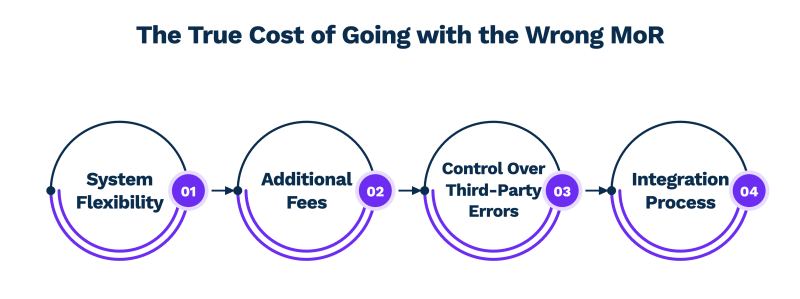
У деяких налаштуваннях комісії за транзакції можуть застосовуватися лише до успішно оброблених платежів, тоді як в інших моделях ціноутворення може також бути набір фіксованих або залежних від ситуації комісій. Структура ціноутворення на основі комісії є одним із доступних варіантів при розгляді фінансового планування.
Чи є PayPro Global постачальником обліку торгових операцій?
Так, PayPro Global працює як постачальник обліку торгових операцій. Компанія працює на ринку з 2006 року, обслуговуючи понад три тисячі компаній у сфері програмного забезпечення, SaaS та відеоігор.
На практиці це означає виконання податкових зобов'язань у понад 13 000 юрисдикціях, що дозволяє приймати платежі понад 70+ способами та у понад 140+ валютах, а також забезпечувати продажі у понад 200+ країнах. Статус PayPro включає сертифікацію PCI DSS Level 1 Service Provider. Операція підтримує понад 28 мов. Цілодобова підтримка з питань виставлення рахунків працює безперервно та легко доступна через різні канали, такі як онлайн-чат, телефон, електронна пошта та система тікетів. Крім того, ви отримуєте виділеного менеджера для вашого облікового запису.
Маршрутизація платежів використовує каскадну систему, навчену ШІ, для покращення показників успішних транзакцій та відновлення незавершених продажів, та підписка охоплює щомісячні або річні плани з ручним, автоматичним або за запитом поновленням.
Висновок
Сторона-продавець виходить за рамки базових функцій обробки платежів, змінюючи того, хто несе юридичну відповідальність за продаж. За цією схемою, такі завдання, як реєстрація податків, подача звітності, відповідальність за чарджбеки, а також виконання вимог PCI покладаються на провайдера MoR, а не залишаються на вашому бізнесі. Для компаній, що розповсюджують цифрові продукти на міжнародному рівні, вибір MoR або налаштування внутрішніх функцій відповідності може вплинути на те, коли відбудеться реальне зростання. Ключове питання залишається: у скількох податкових юрисдикціях працює ваш бізнес, і які адміністративні витрати пов'язані з цими зобов'язаннями, якщо ними керувати безпосередньо?
Поширені запитання
Які є приклади Мерчант оф Рекорд?
Ви знайдете Merchant of Record скрізь, де компанія продає товари чи послуги безпосередньо клієнтам та несе відповідальність за пов'язані з цим зобов'язання. Наприклад, магазини додатків, що продають незалежні програми, онлайн-платформи, що розміщують ігри інших студій, або постачальники послуг, що підтримують SaaS та програмне забезпечення, – всі вони використовують цю схему. Такі компанії, як PayPro Global, виконують обов'язки Merchant of Record для програмного забезпечення, SaaS, відеоігор, а також подібних цифрових продуктів.
Які є варіанти інтеграції для офіційного продавця?
Зазвичай, постачальники послуг merchant of record пропонують три способи налаштування: повні API-з'єднання надсилають деталі транзакцій та отримують оновлення статусу в режимі реального часу; розміщені інструменти оформлення замовлення (ви можете побачити такі варіанти, як веб, мобільні, вбудовані в додаток, спливаючі вікна або iFrames) дозволяють постачальнику обробляти замовлення для вас; а індивідуальні інтеграції працюють, якщо у вас є унікальні потреби в білінгу. Вибір методу залежить лише від ваших уподобань щодо управління процесом оформлення замовлення.
Як стати merchant of record?
Щоб стати продавцем-реєстрантом, вам доведеться зареєструвати свій бізнес на всіх необхідних ринках, налагодити свою merchant accounts мережу з еквайрами, дотримуватися всіх податкових вимог, включаючи реєстрацію для сплати ПДВ/GST/податку з продажу, де це застосовно, відповідати вимогам PCI DSS та обробляти будь-які чарджбеки. Для більшості софтверних компаній поширеною практикою є співпраця зі сторонніми постачальниками послуг для вирішення таких питань.
Чи є Stripe продавцем-реєстрантом?
Це залежить від продукту. При стандартній інтеграції, Stripe є постачальником платіжних послуг – ваш бізнес залишається юридичним продавцем, відповідальним за податкову реєстрацію, відрахування та відшкодування платежів. Stripe Managed Payments є винятком: там Stripe виступає як офіційний продавець, що покриває непрямі податки у понад 80 країнах, але лише через Stripe Checkout та Payment Links. PayPro Global діє як офіційний продавець у понад 200 країнах та 13 000+ податкових юрисдикціях, беручи на себе податкове законодавство у будь-якому процесі оформлення замовлення.
Чи вважається PayPal офіційним продавцем?
Не зовсім – PayPal використовується як платіжний процесор замість того, щоб бути продавцем. Ваш бізнес вважається продавцем; отже, ви сплачуєте ПДВ, GST та податки з продажів, а також дотримуєтесь законів про захист прав споживачів там, де знаходяться ваші споживачі, а не там, де знаходитесь ви. Платіжна сторінка PayPro Global’s перераховує PayPal серед своїх 70+ платіжних методів, тому вибір MoR зберігає можливість приймати PayPal.
Готові розпочати?


 Українська
  English
  Español
  Português
  Português do Brasil
  Français
  Italiano
  Deutsch
  Nederlands
  Polski
  Română
  简体中文
简体中文  日本語
日本語  한국어
한국어