
SaaS-betalingen
Wat is een SaaS Card on File (CoF)-transactie?
Wat is een SaaS Card on File (CoF)-transactie?
Een SaaS card-on-file (CoF) transactie is een betalingsproces waarbij een softwareleverancier veilig de creditcard- of bankpasgegevens van een klant opslaat om te worden hergebruikt voor toekomstige aankopen of terugkerende facturering.
Hoe werken Card-on-File transacties precies?
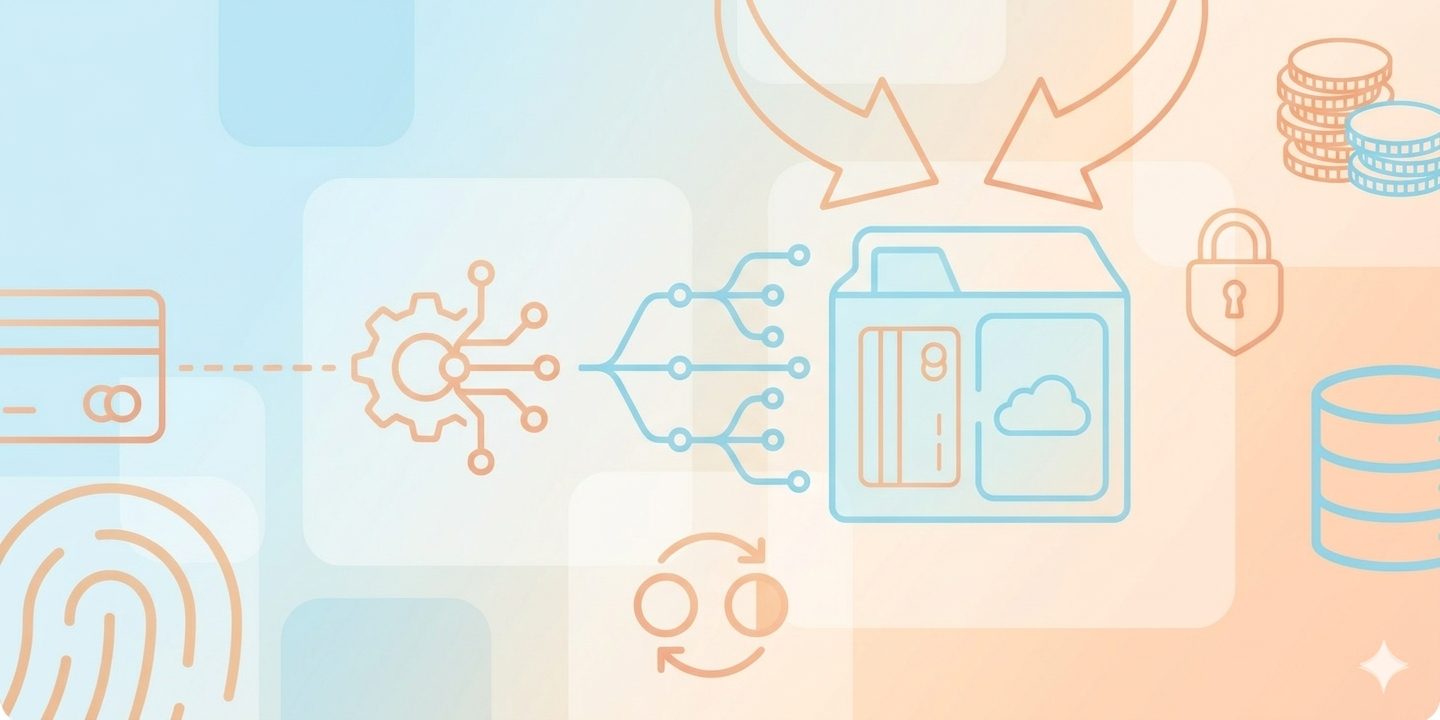
CoF-transacties beginnen in een Door de consument geïnitieerde transactie (CIT) met de betaalgateway die de kaartgegevens van een klant tokeniseert – wanneer een gebruiker voor de eerste keer zijn creditcard- of bankpasgegevens invoert, worden deze vervangen door een niet-gevoelige versie (tokens).
CoF Werkstroom:
- Initiële Autorisatie: De klant voert zijn kaartgegevens in en verleent “doorlopende machtiging” voor toekomstige transacties.
- Tokenisatie: Het systeem van de verkoper slaat een beveiligd token op, terwijl de eigenlijke kaartnummers in een uiterst veilige, PCI-compatibele kluis blijven.
- Geautomatiseerde facturering: Voor elke betaalcyclus stuurt de handelaar het token naar de betalingsverwerker om de fondsen op te vragen.
- Update van inloggegevens: Moderne systemen gebruiken “Account Updaters” om het token automatisch te vernieuwen als de fysieke kaart van de gebruiker verloopt of wordt vervangen.
Hoe worden card-on-file transacties geïnitieerd door de merchant of de klant?
De handelaar initieert de transacties, afhankelijk van wie de betaalgebeurtenis triggert: de handelaar of de klant.
- Door de klant geïnitieerde transacties (CIT): Vindt plaats wanneer de gebruiker actief aanwezig is in het afrekenproces, bijvoorbeeld wanneer een gebruiker een eenmalige “add-on” functie aanschaft, of in een dashboard, de gebruiker zijn abonnement handmatig upgrade.
- Merchant-geïnitieerde Transacties (MIT): Gebeuren op de achtergrond, zonder dat de gebruiker aanwezig is op het verkooppunt. Dit is standaard bij abonnementsdiensten die maandelijks of jaarlijks worden verlengd.
Het is voor een verkoper niet legaal om een transactie te initiëren tenzij er een overeenkomst is met de klant; dit wordt afgehandeld in de initiële aanmeldprocedure om te voldoen aan de Strong Customer Authentication (SCA) regelgeving van de EU.
Wat zijn de belangrijkste voordelen en baten van card-on-file betalingen?
Card-on-file regelingen zijn handig, maar het opslaan van betaalgegevens vereist regelmatige beoordelingen die bedrijven moeten beheren.
- Retentie: Opgeslagen betalingsgegevens worden gebruikt voor abonnementskosten in volgende factureringsperioden, waardoor de frictie voor klanten wordt verminderd door handmatige stappen voor “informatie-updates” te reduceren.
- Sneller afrekenen: In systemen met marktplaatsen of getrapte add-ons worden opgeslagen betalingsgegevens gebruikt voor aanvullende aankopen.
- Kasstroom: Geautomatiseerde factureringskanalen leiden de inkomsten naar de zakelijke bankrekening volgens een vast schema.
- Verbeterde beveiliging: Het vervangen van directe kaartnummers door tokens is vereist om te voldoen aan toepasselijke beveiligingsmaatregelen en klanten te beschermen tegen datalekken.
Wat zijn de mogelijke nadelen van transacties met opgeslagen kaartgegevens?
Hoewel handig, vereisen regelingen voor het opslaan van kaartgegevens regelmatige beoordelingen en administratieve procedures voor het opslaan van betaalgegevens.
|
Specifiek Nadeel |
Beschrijving |
Potentiële impact |
|
PCI DSS Aansprakelijkheid |
Het opslaan van betaaltokens (in feite, kaartgegevens) vereist strikte naleving van wereldwijde beveiligingsstandaarden en jaarlijkse audits. |
Beveiligingscompliance en kwetsbaarheidsscans verhogen de operationele kosten. |
|
De aanwezigheid van facturatieprofielen en tokens kan relevant zijn voor cybercriminele activiteiten |
Administratieve, juridische of regelgevende procedures kunnen van toepassing zijn, afhankelijk van de gebeurtenis en de bedrijfscontext. |
|
|
Bij terugkerende facturatie leiden sommige klanten een transactieaanvraag via hun bank in plaats van via de handelaar. |
De transactie kan worden verwerkt via het terugboeking kader, met een administratieve vergoeding die vaak tussen de $15 en $50 ligt. |
|
|
Hogere Verwerkingskosten |
Card-on-file transacties worden over het algemeen gecategoriseerd als card-not-present betalingen, die vaak geassocieerd worden met hogere interchange tarieven. |
Winstmarges kunnen verschillen van eenmalige transacties of die zijn voltooid met een fysieke kaart |
|
Geautomatiseerde betaling kan worden geweigerd afhankelijk van de huidige kaartstatus, verloren kaarten, of veiligheidsbeperkingen van de bankuitgever |
Doorlopende facturatie vereist handmatige accountupdates of andere aanvullende stappen die nodig zijn voor de voltooiing van de handeling |
|
|
Token Desynchronisatie |
Op tokens gebaseerde betalingen zijn afhankelijk van datamapping tussen de database en de payment gateway kluis. |
Terugkerende facturatie kan alleen functioneren wanneer de API-verbinding geldig is |
|
Sommige gebruikers herkennen of herinneren zich mogelijk niet onmiddellijk dat ze een actief abonnement hebben wanneer automatisch wordt gefactureerd. |
Dit kan samengaan met wijzigingen in de accountstatus of klantreacties op beoordelingsplatforms zoals G2 of Trustpilot. |
|
|
Ondersteuningsoverhead |
Een voorafgaande factureringsmelding kan bepalen hoe klanten door de handelaar geïnitieerde kosten interpreteren. |
Dit kan samengaan met wijzigingen in het contactvolume van support en de afhandeling van terugbetalingen. |
Wat zijn de meest voorkomende zakelijke use cases voor card-on-file betalingen?
Card-on-file systemen worden geïmplementeerd in SaaS-factureringsframeworks ter ondersteuning van een stabiele cashflow:
- Getrapte abonnementen: Maandelijkse of jaarlijkse facturatie voor basis CRM- of projectmanagementsoftwaretools.
- Gebruiksgebaseerde Facturering: Facturatie op basis van gebruik, zoals een vergoeding voor cloudopslag of voor API-aanroepen.
- Freemium-conversies: Voor proefservices kunnen providers een gebruiker automatisch overzetten van een gratis niveau naar een betaald niveau nadat de gratis periode is afgelopen.
Conclusie
SaaS-transacties met opgeslagen kaartgegevens stroomlijnen terugkerende facturatieprocessen door het toepassen van diverse methoden zoals tokenisatie. Hoewel deze benadering veel aandacht vereist voor beveiligingscompliance, draagt het ook bij aan het genereren van consistente inkomsten en het verminderen van wrijving. Als gevolg hiervan ondersteunen deze factureringsworkflows de communicatie tussen softwareleveranciers en gebruikers.
Klaar om te beginnen?


 Nederlands
  English
  Español
  Português
  Português do Brasil
  Français
  Italiano
  Deutsch
  Polski
  Română
  Українська
  简体中文
简体中文  日本語
日本語  한국어
한국어