
Vânzări SaaS
Ce este Rata de Câștig în SaaS?
Ce este Rata de Câștig în SaaS?
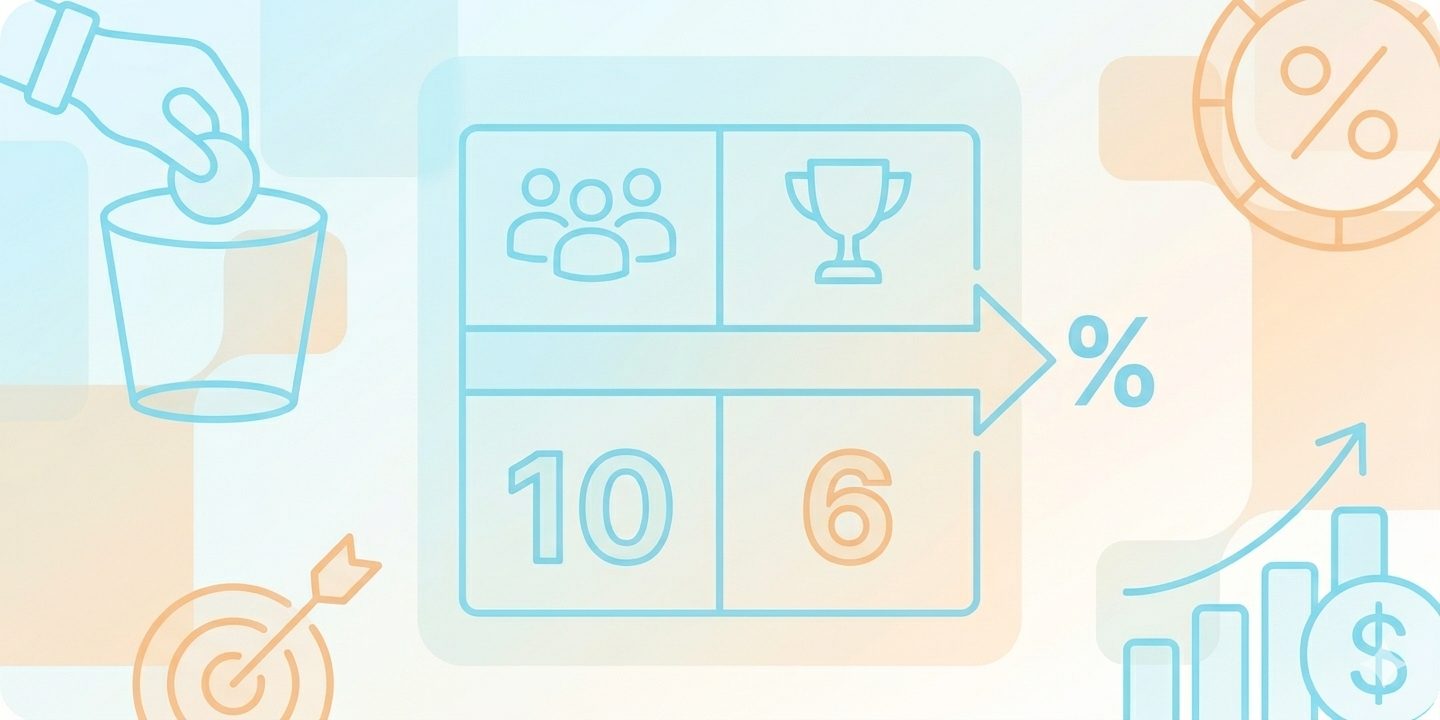
O rată de succes SaaS este procentul de oportunități de vânzare calificate pe care o echipă de vânzări reușește să le încheie cu succes într-o anumită perioadă. Aceasta funcționează ca un indicator cheie de performanță pentru organizația de vânzări, reflectând abordarea reprezentanților de vânzări în generarea de noi afaceri într-un mediu competitiv. Dincolo de rolul său ca metrică cheie pentru alocarea resurselor, contribuie, de asemenea, la previzionarea și gestionarea veniturilor.
Caracteristici cheie ale analizei ratei de succes:
- Segmentarea lead-urilor: Diferențiați sursele de lead-uri (inbound și outbound) pentru a identifica cele mai productive canale.
- Urmărirea Stadiilor de Vânzări: Identificarea stadiului din pâlnia de vânzări în care potențialii clienți se deconectează, pentru a descoperi punctele slabe din ciclul de vânzări.
- Informații Concurențiale: Atribuirea pierderilor anumitor concurenți pentru a obține perspective asupra punctelor slabe în poziționarea pe piață.
- Benchmarking Istoric: Evaluarea situației actuale în raport cu ultimele trimestre pentru a descoperi tendințe în performanța proprie.
Cum se definește rata de câștig SaaS diferit față de o rată de câștig generică a vânzărilor?
Ratele de succes ale vânzărilor obișnuite sunt asociate de obicei cu tranzacții unice, în timp ce rata de succes SaaS este aproape întotdeauna legată de o afacere bazată pe abonament. În mod convențional, o “victorie” reprezintă finalizarea fizică a unei tranzacții; o “victorie” SaaS este o nouă afacere care marchează începutul unei relații care trebuie să acopere sau să ia în considerare Costul de Achiziție a Clienților (CAC) și Valoarea pe Durata de Viață a Clientului (LTV).
Cealaltă diferență majoră este în numitorul ecuației. În timp ce vânzările obișnuite ar putea considera o “solicitare” ca o oportunitate, companiile SaaS includ în general “Oportunități Calificate” (SQL-uri) în această etapă a pâlniei de vânzări, cum ar fi un apel de descoperire sau o demonstrație de produs.
Cum se calculează rata de câștig SaaS?
Pentru a măsura cu fiabilitate ratele de câștig SaaS, organizațiile ar putea fi nevoite să stabilească puncte de început și de sfârșit pentru perioada de măsurare. Metoda principală este raportarea numărului de tranzacții câștigate la numărul total de tranzacții câștigate și pierdute.
Cum se calculează rata de câștig SaaS:
- Stabiliți Perioada de Măsurare: Poate fi o lună sau un trimestru.
- Numărați Tranzacțiile Câștigate: Parcurgeți și marcați toate tranzacțiile ca “Câștigate” în cadrul acelei perioade de timp.
- Numărați Tranzacțiile Pierdute: Analizați fiecare tranzacție pentru a identifica vânzările de succes și clasificați-le pe cele care nu au fost reușite ca “Closed-Lost.” În același timp, excludeți deal-urile “Open” sau “Nurture” pentru ca raportul să nu fie diluat.
- Împărțiți și Înmulțiți: Obțineți rata de succes împărțind mai întâi cifra “Won” la numărul total de deal-uri “Won” și “Lost”, apoi pur și simplu înmulțind-o cu 100.
Ce este o rată de câștig SaaS bună?
În funcție de sursa de lead-uri și de valoarea tipică a valorii contractului (ACV), reperele pentru o rată de succes “bună” pot diferi. În general, datele din industrie indică un reper de aproximativ 20% până la 30% pentru oportunitățile calificate (pentru companiile SaaS).
Cu toate acestea, contextul este de maximă importanță. S-a observat o corelație între lead-urile primite și ratele de succes (frecvent peste 30%), dependentă de intenția de achiziție a potențialului client. Contactarea la rece sau vânzările outbound pot înregistra rate de succes în intervalul aproximativ de 10% până la 15%. Organizațiile care utilizează viteză ridicată Creștere condusă de produs (PLG) pot observa diferențe ratele de conversie la diferite puncte de preț.
|
Tip de Măsurătoare |
+ |
– |
|
Bazat pe Număr |
Calculul este simplu, arătând activitățile individuale ale reprezentantului. |
Tratează o tranzacție de 1.000 de dolari la fel ca una de 100.000 de dolari. |
|
Bazat pe valoare |
Se raportează la obiectivele de venituri; identifică clienții cu valoare ridicată. |
Prezența unei victorii sau pierderi excepționale de amploare poate influența rezultatele de ansamblu. |
Cum se poate îmbunătăți o rată de câștig SaaS?
Pentru a crește rata de conversie, o companie trebuie să se concentreze pe instruirea echipei sale de vânzări și pe alinierea ofertelor de produse. Oferirea vânzătorilor de informații despre slăbiciunile concurenților și strategiile de răspuns influențează abordarea lor față de obiecții.
- Realizați interviuri Câștig/Pierdere: Luați legătura cu prospecții pierduți pentru a afla exact de ce au ales concurentul; de fapt, astfel de date sunt de obicei mai sincere decât cele înregistrate în CRM.
- Concentrați-vă ICP: Concentrați eforturile de vânzări doar pe prospecții cu un “profil de succes” bun, pentru a nu irosi resurse pe tranzacții cu șanse mici de succes.
- Standardizați Strategiile de Vânzări: Implementați o abordare de vânzări verificată pentru toți angajații, pentru a promova consecvența.
Care sunt erorile frecvente observate în măsurarea ratei de câștig SaaS?
Caracteristicile calității datelor ar putea influența vizibilitatea “deal-urilor zombie” în pipeline-urile de vânzări SaaS. Marcarea deal-urilor ca ‘Închise-Pierdute’ după lipsa de răspuns a prospectului poate ajuta la gestionarea ratei de câștig raportate, deoarece oportunitățile deschise pe termen nelimitat pot distorsiona datele.
- Numitori: Includerea lead-urilor necalificate (MQL-uri) alături de Calificate de Vânzări Oportunități (SQO-uri) poate influența rata de conversie a lead-urilor.
- Neținând Cont de Ciclurile de Vânzări: Dacă contul este inițiat în T1 și este de așteptat să se încheie în T2, acest fapt trebuie luat în considerare.
- Introducere date: Sincronizarea actualizărilor stării tranzacțiilor poate afecta datele raportate la sfârșitul lunii.
Concluzie
Rata de câștig SaaS este una dintre cifrele cheie care ajută la identificarea legăturii dintre acțiunile de marketing și generarea de venituri. Familiaritatea cu cifrele de referință, atenția la precizia măsurătorilor și îmbunătățirea proceselor de vânzare pot corela cu o predictibilitate crescută în pipeline-urile de vânzări ale companiei.
Ești gata să începi?


 Română
  English
  Español
  Português
  Português do Brasil
  Français
  Italiano
  Deutsch
  Nederlands
  Polski
  Українська
  简体中文
简体中文  日本語
日本語  한국어
한국어