
“Protezione dei dati” — PayPro
Cos'è il Commercio Unificato SaaS?
Cos'è il Commercio Unificato SaaS?
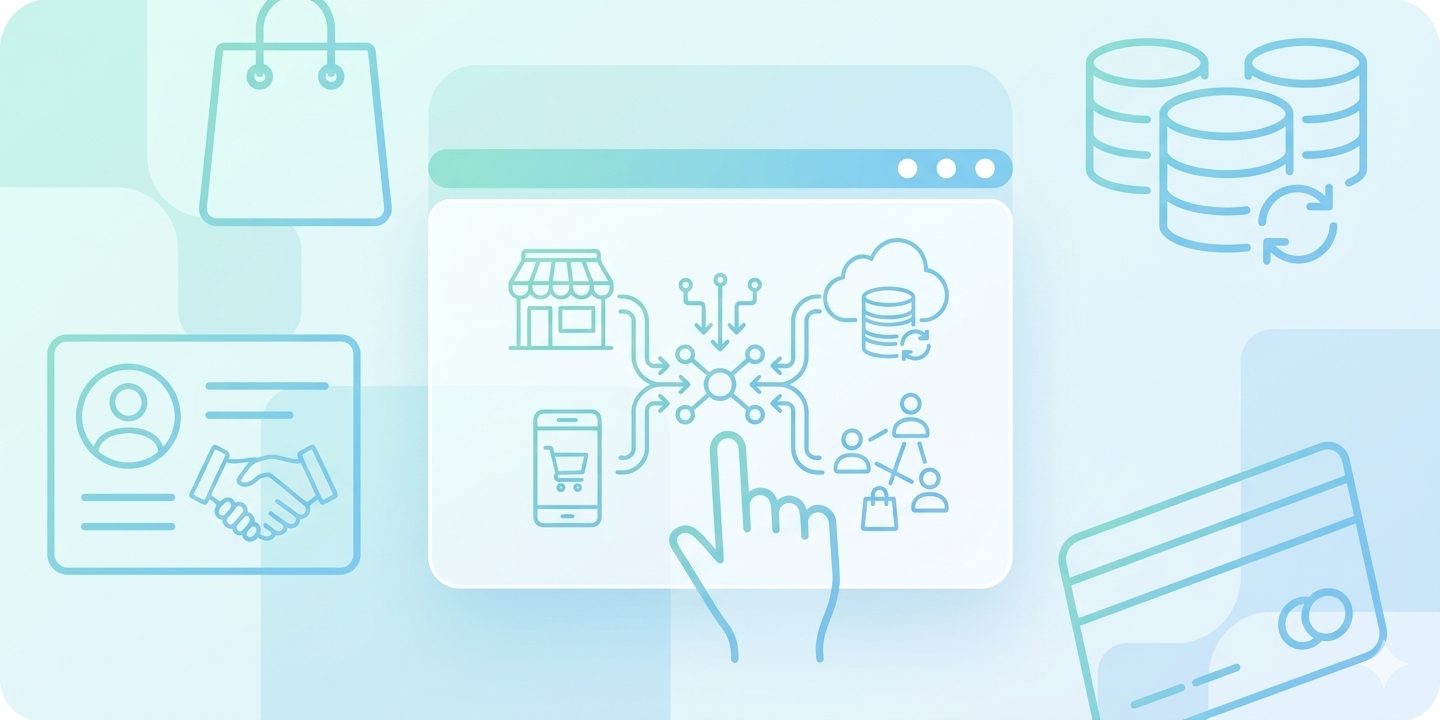
Il Commercio Unificato SaaS è un modello di distribuzione software in cui un'unica piattaforma cloud nativa funge da unica fonte di informazioni per tutte le operazioni di backend e frontend. L'aggiornamento dell'inventario del negozio fisico dopo le vendite tramite app mobile può essere rilevante per i marchi al dettaglio che cercano di affrontare le abitudini di consumo in evoluzione.
Il passaggio dello stack tecnologico di un'azienda al cloud influenza i tassi di crescita e di integrazione, con implicazioni per gli aspetti tecnici e finanziari della gestione dei vari strumenti software.
Quali sono gli elementi principali del Commercio Unificato SaaS?
Commercio Unificato SaaS include:
- Interazioni: Tracciare e analizzare i punti di contatto con i clienti, come chat di supporto, clic sulle email o premi fedeltà, per raccogliere un profilo cliente completo a 360 gradi.
- Canali: Connettendo più canali di vendita, incluse app mobili, negozi online, marketplace social e boutique fisiche, all'interno di una rete unificata.
- Sistemi: Unendo tre sistemi software aziendali (ERP, CRM e POS) in un unico framework operativo.
- Prodotti: Utilizzando il catalogo centrale per standardizzare i prezzi, le descrizioni e la disponibilità dei prodotti tra diverse sedi e piattaforme.
Commercio Unificato e Omnicanale: Qual è la differenza?
Ecco un confronto affiancato tra i due concetti:
|
Funzionalità |
Omnichannel Tradizionale |
Commercio Unificato SaaS |
|
Architettura dei Dati |
Sistemi disconnessi sincronizzati tramite API |
Una piattaforma unificata ospitata nel cloud |
|
Stato dell'Inventario |
Quasi immediato (potrebbe esserci un breve ritardo) |
La precisione è stata osservata in tempo reale |
|
Visione del Cliente |
Profili utente diversi in più strumenti |
Un profilo utente completo e multicanale |
|
Manutenzione del sistema |
Sono necessarie modifiche manuali applicazione per applicazione |
Aggiornamento automatico |
Quali tecnologie specifiche sono essenziali per abilitare il Commercio Unificato SaaS?
Il commercio unificato moderno si basa su Commercio Headless architettura. Separare il frontend (interfaccia utente) dal backend (motore di commercio) con questa tecnologia potrebbe facilitare l'introduzione di nuove applicazioni mobili o funzionalità web da parte dei brand, limitando al contempo potenzialmente l'influenza sulla stabilità dei sistemi centrali di inventario e di pagamento.
Come può un'azienda implementare una strategia di Commercio Unificato SaaS?
L'implementazione è un cambiamento graduale nel tempo piuttosto che un cambiamento improvviso e completo. È opportuno tenere a mente i seguenti punti:
- Utilizza un sistema di gestione dell'inventario per controllare e standardizzare le SKU dei prodotti e gli elenchi clienti. Quindi, migra i tuoi dati verso un ambiente cloud dove verrà mantenuta la tua “fonte di verità”.
- Assicurati che la tua architettura backend possa gestire le richieste API ad alta velocità richieste dal moderno shopping mobile-first.
- Assicurati che gli addetti in negozio sappiano utilizzare la dashboard unificata per aiutare i clienti con la navigazione “endless aisle”, ad esempio.
- Pensa a valutare le prestazioni con i dati di vendita combinati online e in negozio piuttosto che analizzare ogni canale separatamente. Misura il “Fatturato Complessivo dell'Azienda” nel suo complesso.
Conclusione
SaaS Unified Commerce aggrega i dati operativi in un ambiente centralizzato basato su cloud, il che può influenzare la gestione della complessità nei contesti retail contemporanei. Le aziende potrebbero scoprire che la questione dell'integrazione dei canali di negozio digitali e fisici è principalmente legata all'esperienza del cliente e al valore percepito.
Pronto per iniziare?


 Italiano
  English
  Español
  Português
  Português do Brasil
  Français
  Deutsch
  Nederlands
  Polski
  Română
  Українська
  简体中文
简体中文  日本語
日本語  한국어
한국어