
gestione finanziaria.
Che cos'è il Ricavo Non Maturato SaaS?
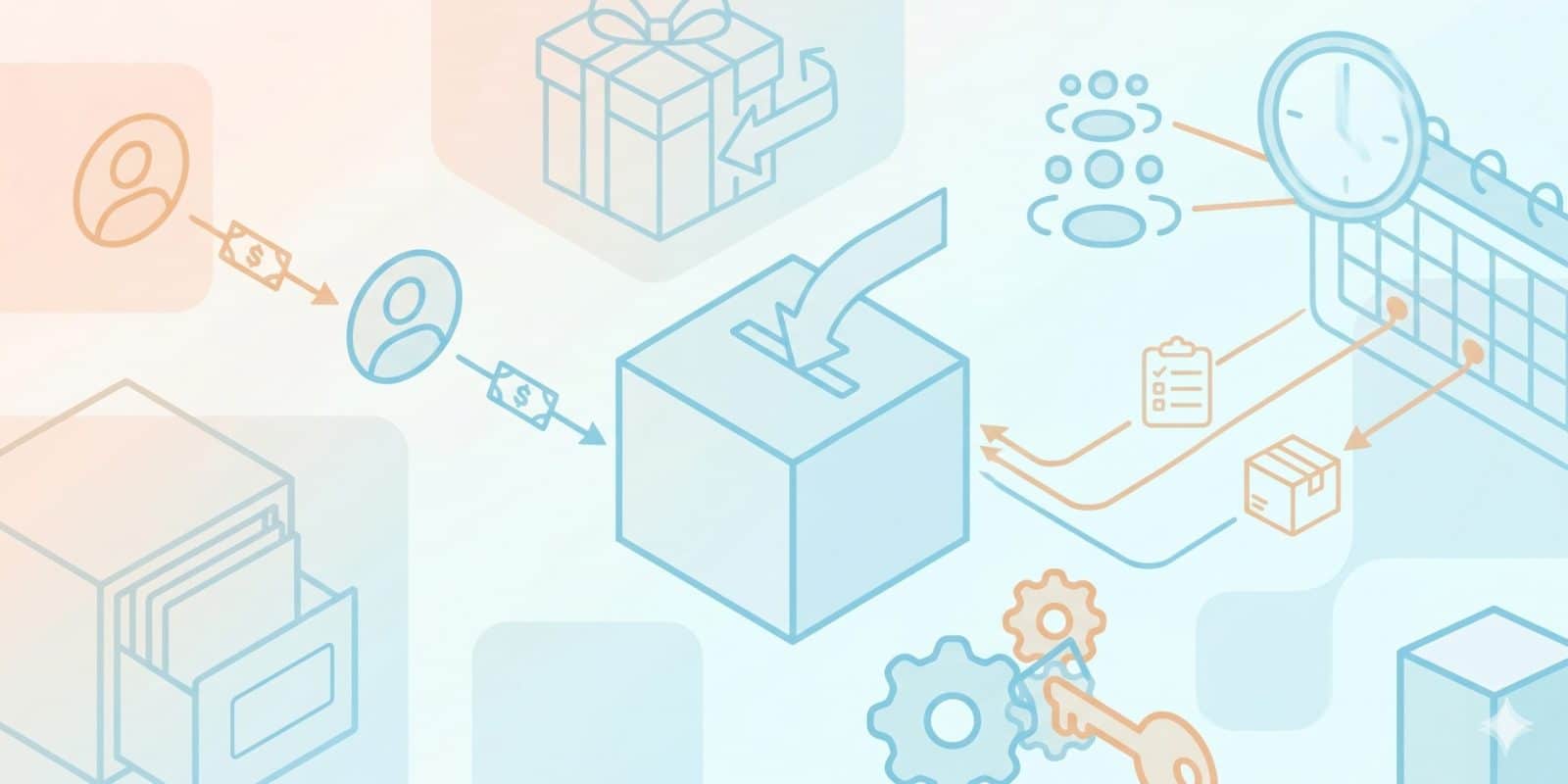
Che cos'è il Ricavo Non Maturato SaaS?
I ricavi differiti del SaaS descrivono i pagamenti dei clienti raccolti prima dell'erogazione di tutti i servizi software contrattualizzati. Questo tipo di ricavo è spesso indicato come ricavi differiti o un' passività contrattuale, termini che riflettono un'obbligazione in sospeso ai sensi degli accordi esistenti. Secondo gli standard contabili ASC 606 e IFRS 15, i ricavi vengono riconosciuti ufficialmente solo dopo che gli obblighi di prestazione del servizio sono stati soddisfatti.
Nel settore SaaS, questi pagamenti sono comuni, dato che i ricavi derivano tipicamente da fatturazioni mensili, annuali o anticipate. Ad esempio, ricevere un pagamento per un abbonamento annuale significa che i fondi vengono registrati in anticipo, mentre i ricavi vengono riconosciuti gradualmente per tutta la durata del contratto man mano che i servizi vengono forniti.
Le caratteristiche principali dei ricavi anticipati SaaS:
- Passività al momento della prima registrazione
- Spesso connesso agli abbonamenti prepagati
- Riconosciuto gradualmente man mano che i servizi vengono forniti
- Collegato agli standard pertinenti di riconoscimento dei ricavi
- Principalmente monitorato dalla direzione utilizzando strumenti automatizzati
Cosa Rende i Ricavi Non Acquisiti del SaaS Diversi dalle Aziende Tradizionali?
I ricavi non acquisiti esistono in tutti i tipi di settori e il SaaS non fa eccezione. Tuttavia, i ricavi non acquisiti nel SaaS differiscono da quelli delle aziende tradizionali basate su prodotti o progetti.
Le aziende che vendono prodotti di solito riconoscono i ricavi quando i beni vengono venduti o consegnati. Le aziende che svolgono lavori basati su un progetto di solito riconoscono i ricavi quando completano una determinata fase del progetto (una milestone) o al completamento del progetto. Le aziende SaaS riconoscono i ricavi per aver fornito ai clienti l'accesso al software e ai servizi che l'azienda ospita. Di conseguenza, riconoscono i ricavi su base periodica.
Perché è Importante Registrare Accuratamente i Ricavi Non Acquisiti per le Aziende SaaS?
La registrazione dei ricavi non acquisiti in linea con le procedure stabilite è inclusa nelle attività continue di monitoraggio delle transazioni. Quando un processo uniforme viene seguito per i ricavi differiti, le voci sono organizzate per riflettere quando i servizi correlati si verificano.
ASC 606 e IFRS 15 delineano metodi per il riconoscimento dei ricavi basati sul completamento dei servizi, in modo che la documentazione finanziaria si allinei con le tempistiche dei servizi anziché con la ricezione del pagamento.
Vantaggi e Sfide
|
Vantaggi |
Svantaggi |
|
Mantiene i registri relativi alla rendicontazione delle attività finanziarie |
Implica un monitoraggio costante delle voci |
|
Si correla alla prontezza per l'audit |
L'uso di processi manuali può comportare variazioni occasionali |
|
Fornisce dati per riferimento interno |
Alcuni contratti complessi richiedono una revisione amministrativa aggiuntiva |
|
Fiducia degli investitori |
Piccoli errori possono modificare le informazioni registrate |
- Identificare tempestivamente i ricavi maturati e non ancora maturati
- Verificare i termini contrattuali prima di riconoscere i ricavi
- Pianificare una riconciliazione regolare (mensile) dei dati
- Documentare le modifiche ai processi o alle politiche
- Utilizzare l'automazione per i processi ripetuti, ove possibile
Come i ricavi non acquisiti influiscono sui bilanci?
I ricavi non acquisiti sono inclusi in tre principali rendiconti finanziari, ciascuno dei quali ne riflette il trattamento da una prospettiva diversa.
|
Rendiconto Finanziario |
Impatto |
|
Stato Patrimoniale |
La sezione delle passività dello stato patrimoniale riflette i ricavi non acquisiti fino a quando i servizi correlati non vengono forniti |
|
Conto Economico |
I ricavi sono riconosciuti nel tempo man mano che vengono soddisfatti specifici obblighi di servizio |
|
Rendiconto Finanziario |
I pagamenti dei clienti ricevuti prima del riconoscimento dei ricavi sono contabilizzati separatamente dai ricavi riconosciuti |
Questo metodo mantiene una distinzione tra il denaro ricevuto e i ricavi che possono essere contabilizzati secondo le regole contabili per le aziende SaaS, e spesso sorprende i fondatori. Le informazioni sui ricavi differiti supportano la misurazione dei ricavi da riconoscere in periodi futuri man mano che i contratti vengono eseguiti.
Fattori che possono influenzare il modo in cui i ricavi non acquisiti vengono registrati includono:
- Durata del contratto
- Frequenza dei cicli di fatturazione
- Disposizioni per i rinnovi o le cancellazioni del contratto
- Numero e tipo di obblighi assegnati a ciascun contratto
Qual è il processo di registrazione contabile dei ricavi non acquisiti, passo dopo passo?
Il processo di contabilizzazione dei ricavi non acquisiti consiste in una serie di passaggi standard.
Passo 1: Registrare il pagamento del cliente
Quando il pagamento viene ricevuto prima dell'erogazione del servizio:
- Dare: Cassa
- Avere: Ricavi non acquisiti
Questa registrazione iniziale aumenta la cassa e registra una corrispondente passività per ricavi anticipati.
Fase 2: Riconoscere i ricavi nel tempo
Man mano che ogni parte del servizio viene fornita al cliente, vengono utilizzate procedure contabili per riflettere i ricavi maturati lungo il periodo contrattuale.
- Dare: Ricavi non acquisiti
- Avere: Entrate
Un cliente effettua un pagamento anticipato di $2,400 per un periodo di abbonamento di 12 mesi.
Al pagamento:
- Dare Cassa $2.400
- Avere Ricavi Anticipati $2.400
Per ogni mese di servizio:
- Dare Ricavi Anticipati $200
- Avere Ricavi da Abbonamento $200
Questo approccio viene utilizzato per registrare le transazioni in modo coerente con i principi contabili relativi al riconoscimento della fornitura di servizi e dei ricavi.
Quali sono le migliori pratiche per il tracciamento dei ricavi non acquisiti?
L'aumento delle dimensioni delle organizzazioni SaaS potrebbe giustificare un'attenzione supplementare per il monitoraggio dei ricavi non acquisiti. Con la maggiore frequenza di fatturazione (ad esempio, intervalli di pagamento variabili, modifiche agli abbonamenti, offerte in bundle) devono essere mantenuti molti programmi di riconoscimento diversi. Il monitoraggio dei ricavi non acquisiti tipicamente comporta:
- Creazione di conti di responsabilità separati per ricavi differiti
- Utilizzo di strumenti automatizzati per la pianificazione dei ricavi
- Integrazione di fatturazione e sistemi contabili per le tracce di revisione
- Scansione periodica del libro mastro per le modifiche contrattuali
- Valutazione dell'impatto delle modifiche di prezzo e aggiornamenti sugli importi riconosciuti
Potrebbero essere d'aiuto anche le domande di autovalutazione:
- Avete clienti che pagano costantemente in anticipo per gli abbonamenti?
- Offrite servizi che vengono consumati in un periodo di tempo prolungato?
- State riscontrando un aumento della complessità dei vostri contratti?
Conclusione
I ricavi non acquisiti SaaS si riferiscono agli importi che i clienti pagano prima che tutti i servizi siano stati forniti. Le attività in abbonamento documentano e monitorano i ricavi differiti secondo metodi contabili standard. Questo processo è concepito per riflettere l'erogazione del servizio come delineato dai principi contabili generalmente accettati.
Pronto per iniziare?


 Italiano
  English
  Español
  Português
  Português do Brasil
  Français
  Deutsch
  Nederlands
  Polski
  Română
  Українська
  简体中文
简体中文  日本語
日本語  한국어
한국어