
Financial Management
What is SaaS Billing Reconciliation?
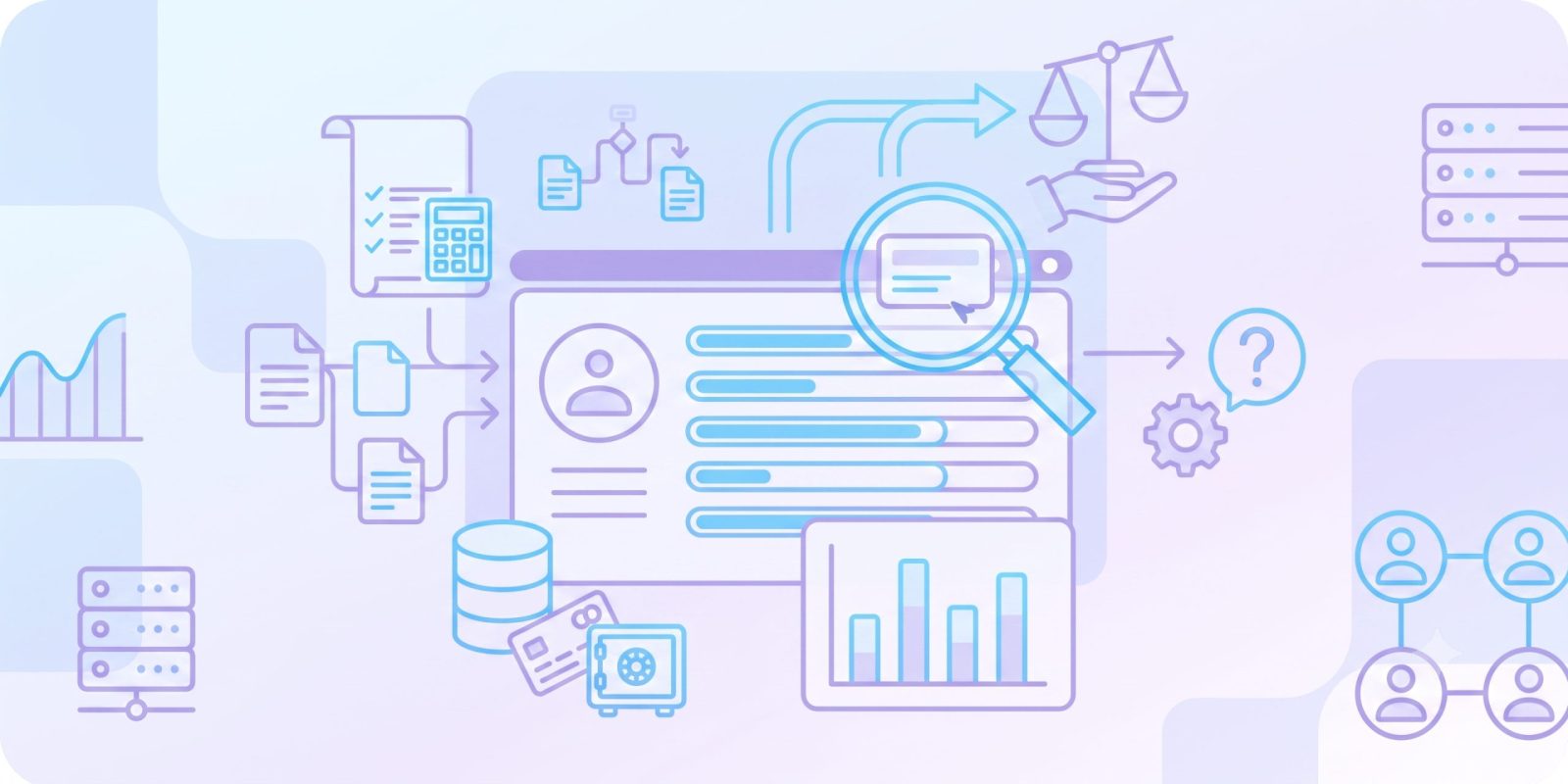
What is SaaS Billing Reconciliation?
SaaS billing reconciliation is the accounting practice of referencing internal subscription records (including invoices, upgrades, and cancellations) with external financial sources (payment gateways and bank statements). The most significant reason for SaaS billing reconciliation is that it is the only reliable way to confirm that a software platform’s claimed revenue equals the actual amount it transfers into the company’s bank account.
What data does SaaS Billing Reconciliation compare?
Scheduling a reliable reconciliation process to constantly review and verify the data of the following three entirely separate systems is very important:
- Application Ledger: Invoice IDs, customer account details, how Monthly Recurring Revenue (MRR) was divided between periods, and records of subscription tier changes.
- Payment Gateways: The gross sale amounts of transactions, processing fees before a refund is issued to the customer, refunds’ timestamps, and records of chargebacks and disputes.
Why does Billing Reconciliation matter for SaaS financial hygiene?
- Controls Revenue: Components, including unprocessed dunning payment retries, uncollected invoices, and less apparent processing fees, are relevant to the management of financial margins.
- Ensures Audit Compliance: Complying strictly with revenue recognition standards (such as ASC 606/IFRS 15).
- Validates Metrics: Double-checking the accuracy of metrics communicated to investors, such as Lifetime Value (LTV) or Net Revenue Retention (NRR).
How do you set up SaaS Billing Reconciliation?
Setting up an efficient workflow should be conducted based on a well-functioning process that links engineering and financial departments:
- Step 1: Unify the Data via APIs.
- Step 2: Create a Common Reference Point.
- Step 3: Set the Matching Conditions.
How do you handle common SaaS Billing Reconciliation exceptions?
Situations involving non-identical data fields may present conditions for exceptions. Those are fixed by putting them into financial categories specific to the situation that is being addressed:
- Timing: A system addresses variations in payment and clearing dates, such as a customer’s payment on the 31st and the bank’s clearance on the 2nd of the next month, by holding the amount in temporary “transit” to show its current status.
- Payment Gateway Fee Deviations: When processors deduct their fees before sending the deposit to an account, the accounting process should divide the received deposit from the bank into two parts corresponding to these fees (Gross Customer Revenue and Gateway Processing Expenses).
- Chargebacks and Refunding: This process involves two identified transaction types to distinct segments within the income account (one for the customer and one for the company/payment processor), and accounting for the non-refundable charge dispute fee likely applied by card networks.
How often should SaaS Billing Reconciliation run?
The cadence depends directly on transaction velocity and operational complexity:
|
Processing Frequency |
For |
Primary Purpose |
|
Daily |
High-volume B2C SaaS |
The system identifies platform fraud and payment batches that are not successfully processed. |
|
Weekly |
Mid-market, self-serve B2B |
Financial metrics are processed to maintain accuracy for weekly meetings. |
|
Monthly |
Low-volume, High-ACV Enterprise |
Provides the means for closing books and board report generation. |
Conclusion
SaaS billing reconciliation connects software operation logs with the actual financial reality of cash inflows and outflows. Regular matching addresses potential financial discrepancies, affects the efficiency of accounting audits, and relates to the precision of growth metrics, which can be relevant for presentations to external stakeholders like investors. Converting this essential financial operation into an automated daily process could affect the financial foundation that impacts business progression.
Ready to get started?


 English
  Español
  Português
  Português do Brasil
  Français
  Italiano
  Deutsch
  Nederlands
  Polski
  Română
  Українська
  简体中文
简体中文  日本語
日本語  한국어
한국어