
Customer Retention
What is SaaS Customer Offboarding?
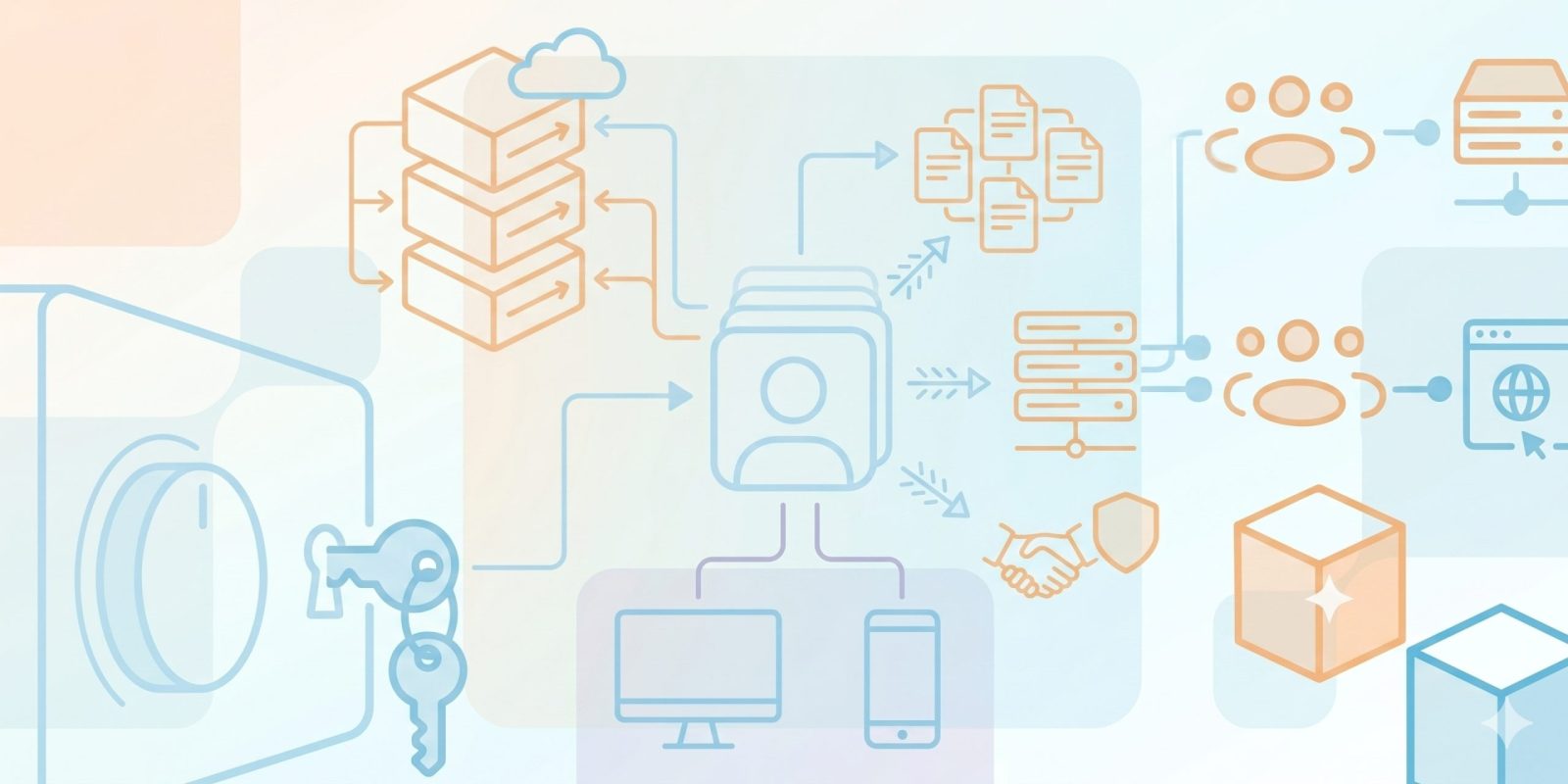
What is SaaS Customer Offboarding?
SaaS customer offboarding is a set of steps that involves canceling a user’s or an organization’s connection with a software platform once the subscription term has expired. This arrangement manages account termination and addresses the security of the knowledge base and property. Brand integrity may relate to efforts to reduce friction following cancellation. This offers the means to outline steps for potentially re-establishing the account relationship, subject to future preferences.
What are the SaaS Offboarding details and applications?
A good SaaS onboarding process is built on two pillars: automation and clear data policies. These elements collectively influence the user’s ability to maintain control and the technical aspects related to transitions:
- Automated Data Extraction: Self-service interfaces for current users to obtain archive access.
- Systematic Access Revocation: Automated provisioning engines switch off single sign-on (SSO) and API keys at the subscription boundary.
- Delayed Data Purging: Clearly defined retention schedules give temporary access to data for retrieval before the final deletion.
These processes commonly operate independently of user knowledge. The CRM system, e.g., grants authors immediate access to the typical CSV export as soon as the user “walks away.” Data in the project management system is accessible for retrieval for 30 days, after which it is subject to deletion.
What is the ideal Offboarding Workflow Structure?
The SaaS offboarding workflow structure involves the following phases:
- Email Cadence: Involves the planning and configuration of automated email sequences, which serve to convey plans, provide information, send reminders, and adjust data access durations for users.
- Exit Survey: Send short exit surveys right after the cancellation time to find out the main reasons for the cancellation.
- Data Export: Set up the cancellation interface portal so that the export buttons, in several formats, are clearly visible and accessible.
- Billing Close: Send the final bills fairly, transparently, and clearly show a zero balance so that the customers get no surprise renewals.
How does it differ from churn or cancellation?
SaaS offboarding differs from account churn or a simple cancellation button click. SaaS churn represents the high-level business metric or financial outcome of losing revenue, whereas offboarding is the deliberate operational workflow designed to manage that transition. While churn focuses entirely on past losses, SaaS offboarding looks forward by securing data security and building re-engagement opportunities.
|
Strategy Aspect |
The Structured Path |
The Unstructured Path |
|
Data Handling |
This functionality supports data exports, incorporating measures for data consistency and protection, as well as automated data retention communications. |
Observations indicate a relationship between access-related events and an elevated quantity of support requests. |
|
Financial Aspects |
It involves clear final billing and explicit line-item closure confirmations. |
There is a connection between invoices that vary from anticipated amounts and the processing of financial chargebacks. |
|
Brand Reputation |
Gathers structured exit feedback via targeted surveys. |
Situations encountered by departing accounts are sometimes associated with the generation of public reviews that contain critical observations. |
How do you offer a winback strategy without being pushy?
SaaS companies could present alternatives to customers seeking to cancel, seeking a process that does not introduce significant obstacles. For example, you can allow them to “pause the subscription” for 30, 60, or 90 days (if due to temporary financial difficulty without forcing a permanent exit). Opting for a “fossilized” data vault subscription tier does not involve charges for them, and it serves to keep their timeline unaltered.
Which SaaS Offboarding KPIs and risks matter most?
For companies to optimize the exit lifecycle, they need to track specific operational metrics and continually identify and minimize serious business risks associated with a bad departure process.
Key customer exit KPIs:
- Offboarding Net Promoter Score (NPS): By asking users for a net promoter score right after the exit process, user sentiment can be gauged and brand health evaluated.
- Winback Rate: This metric measures the deactivated accounts that end up reactivating subscriptions within the set timeframe.
- Time-to-Export Efficiency: time needed by a customer who is leaving to download their data archives.
Potential outcomes linked to an offboarding process with specific characteristics:
- Variations in the detail presented on a final invoice are associated with customers’ understanding of credit card charges and linked to the frequency of bank dispute initiations.
- It has been observed that users encountering challenges with account access or data export tools often provide feedback on public review platforms such as G2 or Capterra.
- Differences in user data deletion timelines from legal requirements may be included in regulatory financial evaluations.
Making the decision: Do I need an Offboarding System?
Before creating a dedicated, automated deactivation workflow for your application, it is advisable to ask your team the following diagnostic questions:
- What is the typical pattern of customer support volume when requests for data access or billing concerns arise after cancellations?
- Is the allocation of engineering resources for manual retrieval of data archives for departing enterprise users a regular practice?
- Does our platform have a secure method to show compliance with automated data-deletion requirements under current privacy regulations?
Conclusion
A structured SaaS customer offboarding process can affect the nature of an account closure, managing security, professionalism, and regulatory compliance. The adoption of automated data portability, transparent communication, and reliable measurement by SaaS companies correlates with specific financial risk profiles and positioning for future win-back opportunities.
Ready to get started?


 English
  Español
  Português
  Português do Brasil
  Français
  Italiano
  Deutsch
  Nederlands
  Polski
  Română
  Українська
  简体中文
简体中文  日本語
日本語  한국어
한국어