
価格戦略
SaaSボリュームディスカウントとは何ですか?
SaaSボリュームディスカウントとは何ですか?
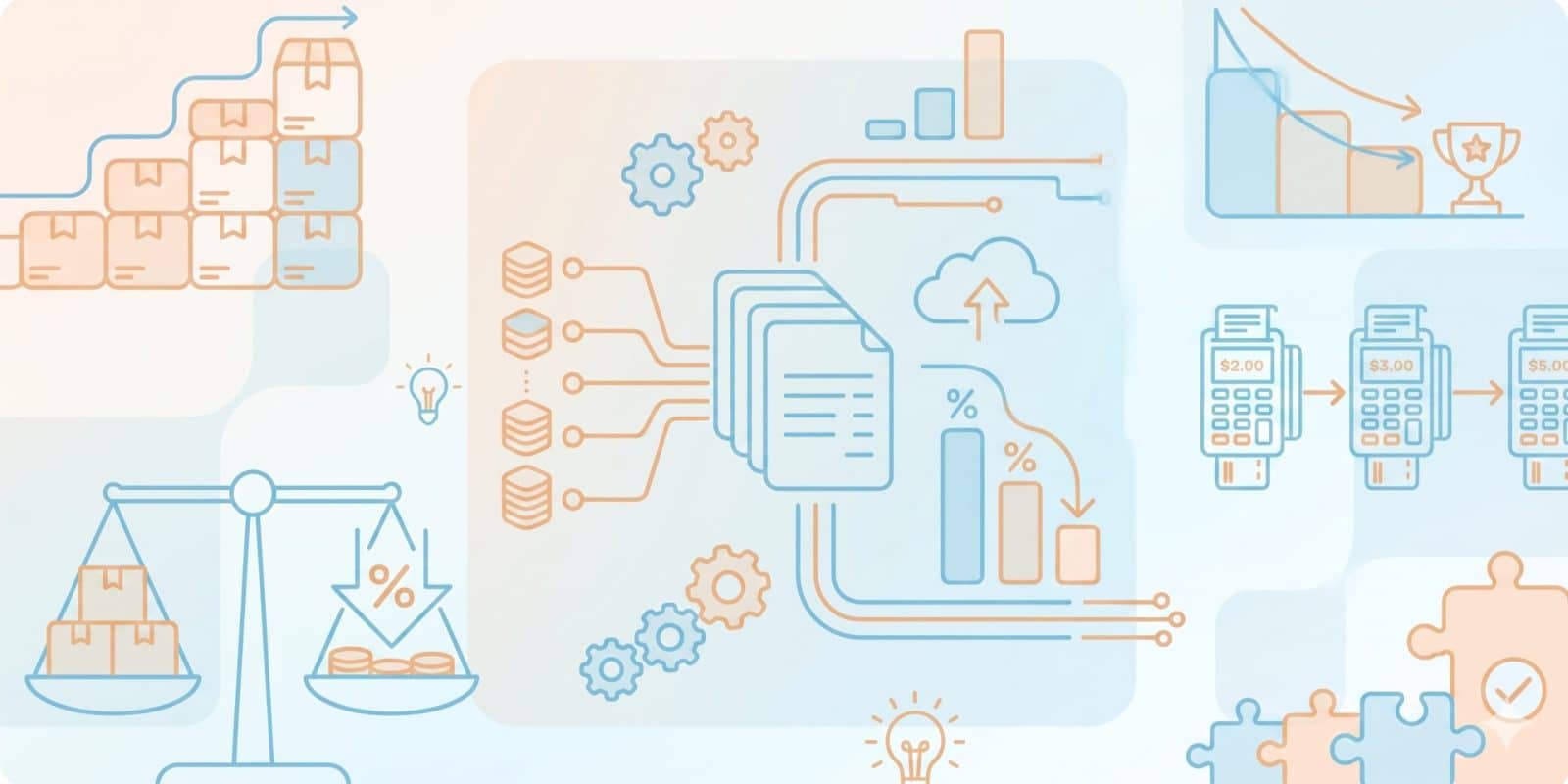
ボリュームディスカウントとは、顧客がより多くのユニット(例えば、シート、ライセンス、データストレージ量など)を購入するにつれて、ユニットあたりのコストが減少する戦略的な価格設定構造です。この構造は、価格と購入数量を結びつけ、変化する顧客のニーズを最適化するために企業によって頻繁に利用されています。
数量割引の3つの構造(段階型/バンド型、しきい値型/限界型、パッケージ型)とは何ですか?
ボリュームディスカウントを設定するため、プロバイダーは一般的な3つの価格体系、すなわちティアード、閾値、パッケージ価格設定から選択します。
- ティアード(バンド)価格設定: このモデルでは、数量の範囲ごとに特定の価格が適用されます。例えば、1~10ユニットは各50ドル、11~20ユニットは各40ドルとなります。
- 閾値(限界)価格設定: 「スラビー」プライシングと呼ばれることが多いこの構造では、所定の購入量を超える単位にのみ割引が適用されます。そのため、購入者は設定されたしきい値を超えるすべての単位に対し、新しい割引料金を支払います。
- パッケージ料金: このモデルでは、サービスや製品の固定バンドル(25シートの「Starter Pack」など)を設定します。これらのパッケージでは、バンドルあたりの価格は個別のライセンスを購入するよりも低くなります。
SaaSサブスクリプションビジネスで数量割引をどのように実装しますか?
大量割引を導入するには、積極的な成長と健全な利益率の維持との間でバランスを取る必要があります。成功するには、企業は手動エラーを避けるために、請求システムが自動計算に対応できることを確認すべきです。
- 請求を自動化: サブスクリプション管理ソフトウェアを活用し、アプリケーションの利用状況に基づいて、割引の動的な自動調整を実装しましょう。
- 明確な閾値を定義: 割引を設定することで、顧客は新しい価格がいつ適用されるかをよりよく理解し、「アップセル」行動を促進できます。
- 定期的な見直し: 四半期ごとに利益率を評価し、価格変更が事業業績に与える影響を分析し、割引によって収益が損なわれないようにしてください。
- 利益保護: 売上原価(COGS)をカバーできるよう、最低価格を設定してください。
- 複雑さ: 請求および管理の明確性を確保するため、適切な数の料金ティアを使用してください。
- 契約期間: 安定性を最大限に高めるため、ボリュームディスカウントを長期契約に紐付けることをご検討ください。
数量割引はどのように計算しますか?
ボリュームディスカウントの計算は、「累積型」または「階段型」価格設定のような適切な方法の選択に依存します。例えば、段階的価格設定の枠組みでは、15個購入する顧客は、最初の10個には全額を支払い、残りの5個には割引価格を支払う場合があります。フラットボリュームモデルでは、11個目に達すると、15個すべての価格が引き下げられる可能性があります。
|
機能 |
階層型料金体系 |
ボリューム(フラット)価格設定 |
|
計算方法 |
区分ごとに計算 |
すべてのユニットに適用される単一価格 |
|
インセンティブ |
漸進的な増加に関連する |
次のマイルストーンへの直接リンク |
|
複雑さ |
追加の請求管理を伴う |
顧客向けの形式を使用する |
|
メリット |
初期ユニットには標準価格を維持する |
基本的な料金資料で提示可能な構造を使用する |
|
デメリット |
追加の説明が必要となる場合がある |
11ユニットが10ユニットより安くなる「クリフ」 |
シートベース/ユーザーごとの価格設定に、数量割引はどのように適用されますか?
シートベースまたは ユーザーごとのSaaSモデル、エンタープライズアカウントの価格設定の一部として、ボリュームディスカウントが頻繁に適用されます。組織がプラットフォームに追加する従業員が増えるにつれて、個々のシートの認識価値はわずかに低下する可能性がありますが、ソフトウェアの「定着性」は高まります。「一括シート」価格設定を提供することで、企業は単一の構造を構築します。 ユーザーアクセスを管理するための 一元化された契約の下で、部門全体で標準化された価格設定につながります。
ボリュームディスカウントはどのようなROI(平均注文額の向上、顧客維持、市場シェア)をもたらしますか?
金銭的な観点からボリュームディスカウントの影響を検討すると、~において変化が生じる可能性があります。 平均注文額(AOV) 顧客が当初の予定よりも多く購入するよう促すことで、また~においても。 維持.
購入量に応じて調整される価格設定は、顧客が注文サイズにどのようにアプローチするかに影響を与える可能性があります。割引価格で500シートを利用する顧客は、5シートの顧客よりも解約する可能性がはるかに低いでしょう。
さらに、ボリュームに基づいた価格体系は、プロバイダーの提供するサービスが~と比較してどのように評価されるかにおいて、役割を果たす可能性があります。 市場シェア、複数ベンダー比較で見られる価格体系のため。
結論
要約すると、SaaSボリュームディスカウントは、売上調整や顧客エンゲージメントのパターンに関連する価格オプションとして利用できます。特定の割引構造を選択し、自動化を組み込むことで、事業の文脈でどのように適用されるかによって、注文額や顧客の更新率に変化をもたらす可能性があります。
準備はよろしいですか?


 日本語
日本語  English
  Español
  Português
  Português do Brasil
  Français
  Italiano
  Deutsch
  Nederlands
  Polski
  Română
  Українська
  简体中文
简体中文  한국어
한국어