
SaaS-betalingen
Wat is een Betaalgateway Fout-/Afwijzingscode?
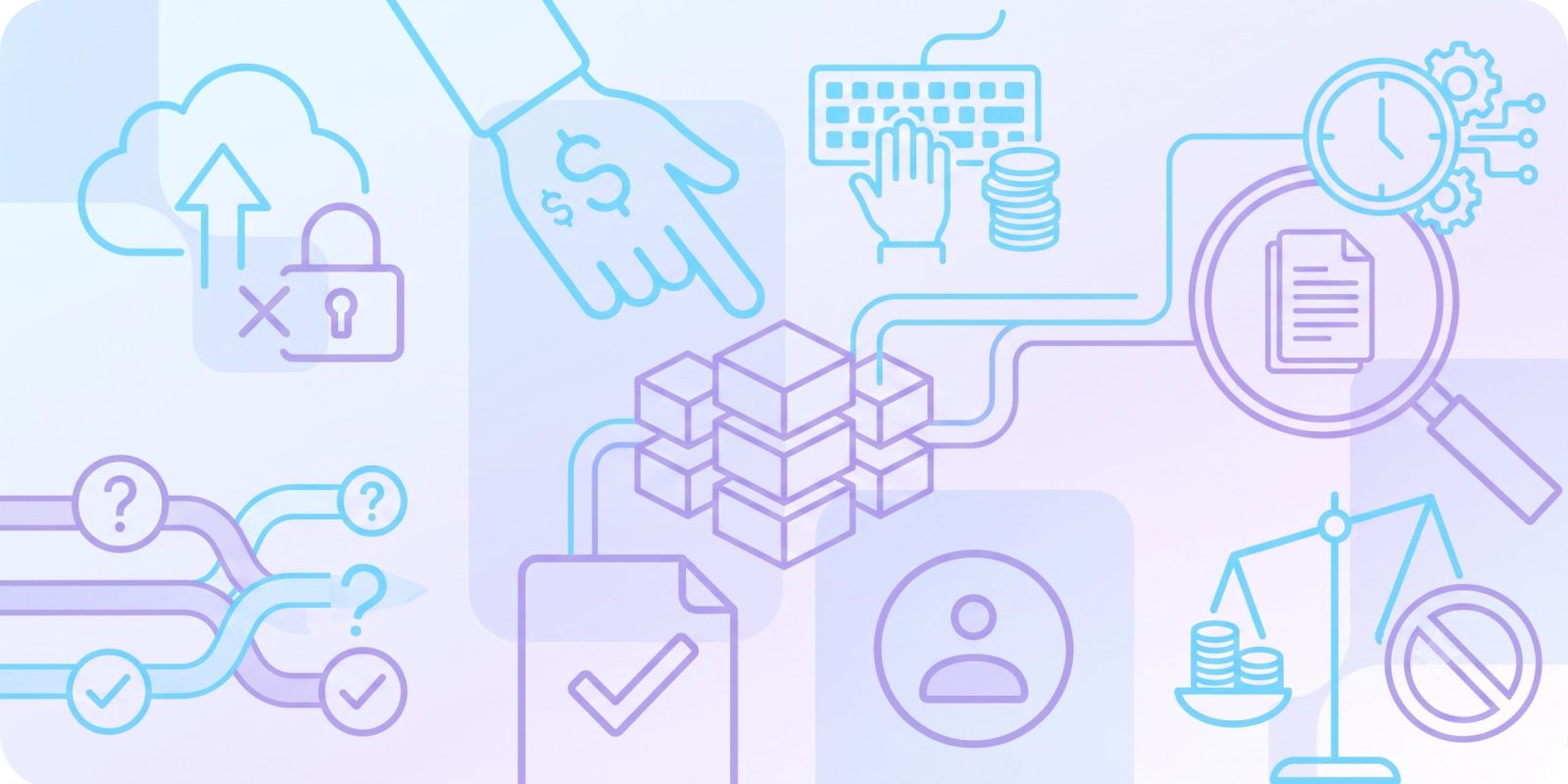
Wat is een Betaalgateway Fout-/Afwijzingscode?
Een afwijzingscode (of foutcode) van een betaalgateway is een standaard type reactie van een kaartuitgever of betaalprocessor tijdens een transactie die niet kan worden voltooid. Deze codes bieden een verklaring voor het resultaat van een transactie, bijvoorbeeld als een kaart is verlopen, er een verwerkingspauze optreedt, of er bepaalde eisen zijn gesteld door de bank. Merchants bekijken deze codes om de betaalresultaten beter te begrijpen en hun volgende stappen te bepalen. Binnen abonnementsdiensten helpen deze codes om te bepalen hoe facturatiesystemen omgaan met betalingspogingen en herhaalpogingen.
Soft Decline versus Hard Decline: Wat is het verschil?
Betaalfoutcodes vertegenwoordigen een reeks scenario's, dus elke code op dezelfde manier benaderen levert niet de meest geschikte reactie op.
Een soft decline betekent over het algemeen dat de gebeurtenis tijdelijk is, zoals wanneer een rekening op dat moment onvoldoende saldo heeft, de bank de betaling tijdelijk heeft vastgehouden, of het systeem van de kaartuitgever een nieuwe poging vereist. In veel gevallen kan het opnieuw indienen van de transactie na enige tijd ervoor zorgen dat deze wel doorgaat.
Als alternatief, een harde weigering duidt op een aparte categorie – bijvoorbeeld als een account is bijgewerkt, een kaart is verlopen, of het systeem van een uitgever een bericht stuurt om aan te geven dat een andere afhandeling vereist is. In dergelijke gevallen worden doorgaans geen verdere pogingen ondernomen, en de betalingsverwerker noteert het afwijzingsresultaat voordat deze verdergaat.
Het herkennen van de categorie van elke foutcode helpt betalingssystemen te bepalen of ze een nieuwe poging moeten plannen of, indien nodig, de klant moeten informeren om hun betalingsgegevens bij te werken.
Waarom zijn weigeringscodes van belang voor abonnements- en SaaS-bedrijven?
Voor organisaties die werken met terugkerende betalingen, vereisen verlengingscycli regelmatig het analyseren van afwijzingscodes. Onvrijwillige churn kan voortvloeien uit betalingsresultaten, zelfs in gevallen waarin er geen directe annulering heeft plaatsgevonden. Het bekijken van afwijzingscodes stelt bedrijven in staat te beoordelen of een nieuwe betalingspoging of een verzoek tot update van betalingsinformatie passend is als onderdeel van hun facturatieproces.
Afwijzingscodes geven ook informatie over fraudepreventie en onthullen af en toe patronen, zoals herhaalde afwijzingen met gestolen kaarten. Het beoordelen van de patronen van 'harde afwijzingen' biedt bedrijven criteria om te bepalen of verder onderzoek naar bepaalde betalingsactiviteiten nodig is.
Hoe implementeer je een effectieve retry-strategie voor Soft Declines?
Gebruikstips:
- Begin met het sorteren van elke afwijzingscode in een 'soft' of 'hard' type om een beter overzicht te bieden voor herhaal-logica.
- Laat wat tijd tussen nieuwe pogingen; proberen Betaalmethoden opnieuw na een paar dagen kan nieuwe resultaten opleveren vergeleken met opeenvolgende pogingen.
- Pas de timing van herhaalpogingen aan in overeenstemming met de vermoedelijke betaaldag of factureringsroutines van de klant.
- Beperk herhaalpogingen tot een redelijk aantal, zoals drie of vier, om consistent te blijven met de aanbevelingen van de uitgever.
- Neem duidelijke klantcommunicatie op bij geautomatiseerde herhaalpogingen, waarbij een kaartupdate wordt voorgesteld indien nodig.
- Het toepassen van richtlijnen voor herhaalpogingen, gepubliceerd door kaartnetwerken en verwerkers, houdt de operaties binnen de gespecificeerde beleidsregels.
- Herhaalpogingen moeten zich aanpassen op basis van factoren zoals kaarttype, de uitgevende bank en de regio van de klant.
- Communicatie moet parallel lopen met herhaalpogingen, en deze niet per ongeluk vervangen.
Diepgaande Analyse: Account Updater Services
Account Updater Diensten worden gebruikt om gevallen af te handelen waarbij opgeslagen kaartgegevens niet meer actueel zijn, wat soms kan voorkomen bij pogingen tot transacties. Wanneer een nieuwe kaart wordt uitgegeven aan een klant (bijvoorbeeld na een vervaldatum, vervanging of beveiligingsupdate), wordt de oudere kaartinformatie uit actief gebruik verwijderd. In deze gevallen zijn Account Updater tools ingesteld om te communiceren met kaartmerken zoals Visa en Mastercard en om updates te verstrekken voor opgeslagen accountinformatie, en dit proces werkt doorgaans onafhankelijk van klantbetrokkenheid.
|
Voordelen |
Nadelen |
|
Kan verminderen onvrijwillige churn gerelateerd aan verouderde kaarten |
Bevat mogelijk niet elke afwijsreden |
|
Vereist geen actie van de klant |
Kan kosten per update met zich meebrengen |
|
Beïnvloedt succespercentages voor verlengingen |
Dekking varieert per kaartnetwerk en uitgever |
Hoe beïnvloeden de regels van kaartschema's retry-strategieën?
Kaartnetwerken zoals Visa en Mastercard regels publiceren over hoe vaak een handelaar geweigerde betalingen opnieuw kan proberen. Herhaalde pogingen boven deze voorgestelde drempels, inclusief bij harde weigeringen, kunnen ertoe leiden dat de netwerken de activiteit beoordelen of standaardkosten aanpassen. Het volgen van deze regels bij het plannen van nieuwe pogingen voor zachte weigeringen is een manier voor bedrijven om binnen de algemene branchepraktijken te blijven. Dit is waarom SaaS-bedrijven kiezen voor een Merchant of Record om de retry-aanpakken te beheren, zodat deze de bijgewerkte vereisten weerspiegelen.
Moet ik mijn afwijzingsverwerking optimaliseren?
Het doorlopen van enkele overwegingen kan nuttig zijn voordat u aanpassingen aan uw aanpak doet:
- Kunt u bepalen welk aandeel van uw mislukte betalingen 'soft declines' zijn ten opzichte van 'hard declines'?
- Is het mogelijk om onvrijwillige churn te lokaliseren en te meten binnen uw omzetgegevens?
- Varieert u uw herhaalproces op basis van het type weigering, of volgt u hetzelfde patroon voor elke poging?
Beslissingsfactoren:
- Het aantal transacties dat plaatsvindt, en het aandeel onvrijwillige churn in de context van uw resultaten
- De manier waarop uw betaalopstelling weigeringsinformatie organiseert, en of verschillende weigeringstypen worden onderscheiden
- Of geautomatiseerde kaartupdate-diensten toegankelijk zijn voor uw bedrijf
- Het huidige niveau van interne technische capaciteit beschikbaar voor het opzetten of bijwerken van herhaalpogingslogica
- Wettelijke en kaartschema-verplichtingen en -limieten die van toepassing zijn op uw bedrijfsactiviteiten
Conclusie
Betaalgateway Storingscodes dienen als informatieve markeringen die bedrijven informeren over de status van betalingspogingen. Door deze codes te beoordelen, methodische herhalingslogica toe te passen, Account Updater tools te gebruiken en zich te houden aan de richtlijnen van kaartnetwerken, kunnen bedrijven hun betalingsactiviteiten afstemmen op vastgestelde processen. Dit vormt een gedefinieerde routine voor het aanpakken van afwijzingen, terwijl de toepasselijke industriële vereisten worden nageleefd.
Klaar om te beginnen?


 Nederlands
  English
  Español
  Português
  Português do Brasil
  Français
  Italiano
  Deutsch
  Polski
  Română
  Українська
  简体中文
简体中文  日本語
日本語  한국어
한국어