
gestione finanziaria.
Che cos'è il Procure to Pay (P2P)?
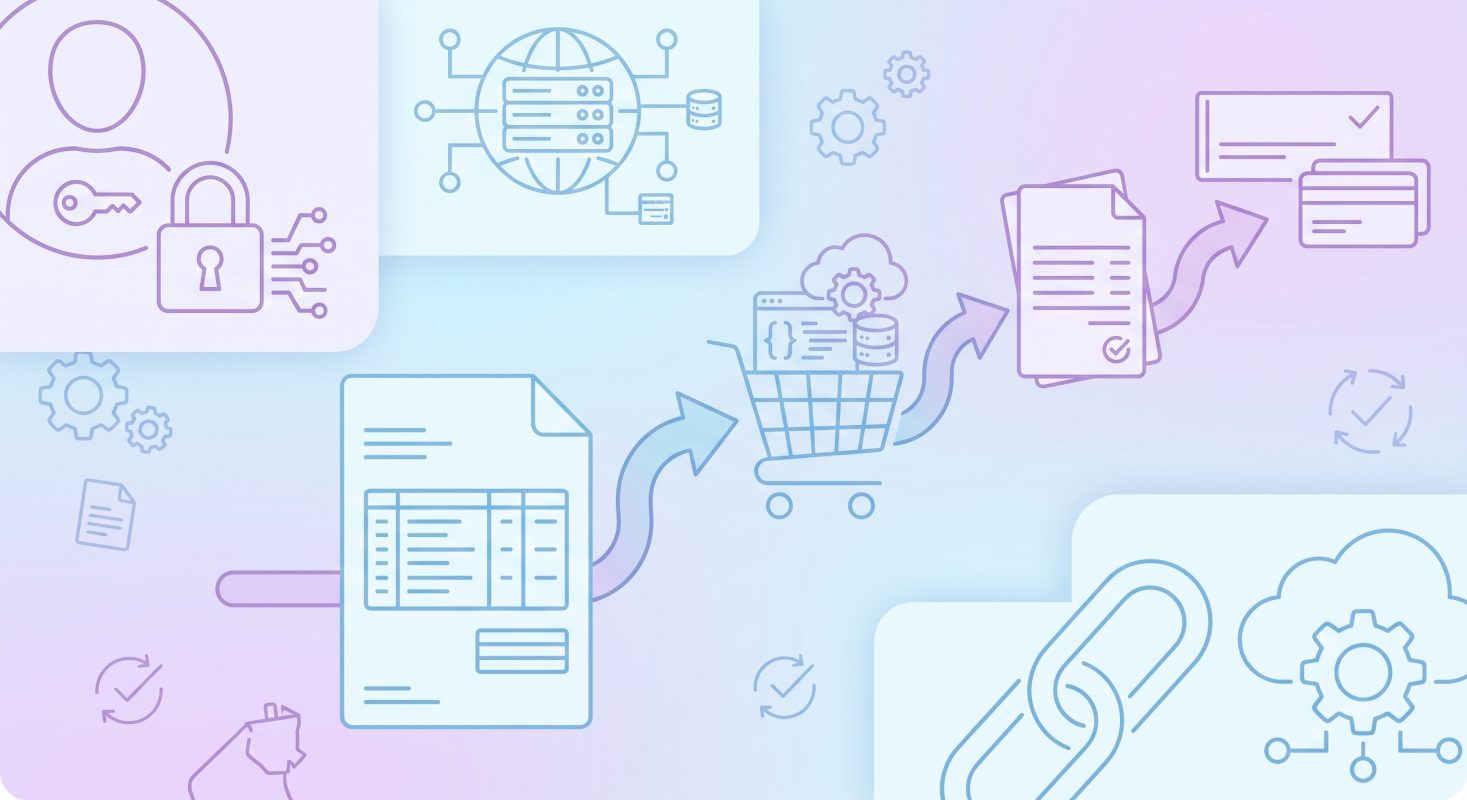
Che cos'è il Procure to Pay (P2P)?
Il processo Procure-to-pay (P2P) è un processo end-to-end per richiedere, acquistare, ricevere, verificare e pagare beni o servizi. Collega l'approvvigionamento e la contabilità fornitori, in modo che l'attività di acquisto possa fluire attraverso controlli definiti di approvazione, ricezione, convalida delle fatture e pagamento. Un processo P2P organizzato è connesso alla visibilità della spesa, alla gestione degli acquisti non autorizzati, all'individuazione delle discrepanze di fatturazione e all'assistenza per le attività contabili e di revisione.
Quali sono i passaggi nel ciclo P2P?
Un tipico ciclo P2P comprende le seguenti fasi, sebbene il flusso di lavoro esatto vari in base all'organizzazione:
- Richiesta d'acquisto – un dipendente o un reparto identifica una necessità e inoltra una richiesta d'acquisto.
- Approvazione – la richiesta viene esaminata secondo le regole di approvazione dell'organizzazione.
- Ordine di acquisto (PO) – un ordine approvato viene emesso al fornitore in un processo basato su ordine di acquisto (PO).
- Evasione – il fornitore consegna i beni o eroga i servizi e può inviare una conferma d'ordine o una notifica di spedizione.
- Ricezione – l'acquirente registra la ricezione dei beni o il completamento dei servizi, quando richiesto.
- Fattura – il fornitore presenta una fattura per il pagamento.
- Validazione e abbinamento delle fatture – la fattura viene verificata rispetto ai documenti di supporto, come il PO e la ricevuta.
- Pagamento – la fattura viene pagata secondo i termini concordati.
Cos'è la riconciliazione a tre vie (Three-Way Matching) e perché viene utilizzata?
La verifica a tre vie avviene prima del pagamento. Ordini, ricevute e fatture vengono confrontati per verificare se i numeri e altri dettagli sui documenti rientrano nelle tolleranze consentite. Ad esempio, potrebbe essere necessaria una revisione umana se esiste una piccola differenza tra la quantità fatturata e l'ordine d'acquisto o la spedizione. Pertanto, la verifica a tre vie è un importante controllo di fatturazione, ma è solo una parte delle misure antifrode.
Le organizzazioni possono utilizzare la riconciliazione a due, tre o quattro vie a seconda del tipo di acquisto, dei requisiti di ricezione, delle procedure di ispezione e dei controlli interni. La riconciliazione a tre vie dipende anche da registrazioni di ricezione accurate.
In che modo il P2P differisce dall'Order-to-Cash (O2C)?
Il P2P e l'Order-to-Cash riflettono lati opposti di un ciclo aziendale. Il P2P copre l'acquisto e il pagamento, pagando i fornitori, mentre l'O2C copre la vendita di prodotti e l'incasso dai clienti.
| Concetto | Obiettivo principale |
| Dall'approvvigionamento al pagamento (P2P) | Acquisto di beni o servizi e pagamento dei fornitori |
| Dall'ordine all'incasso (O2C) | Vendita di beni o servizi e riscossione dei pagamenti dai clienti |
Cos'è un catalogo PunchOut e come si inserisce cXML in questo contesto?
PunchOut è un metodo per accedere a cataloghi basati su internet tramite un'applicazione di procurement integrata. Su un sito web del fornitore, l'acquirente può verificare offerte, prodotti o articoli e inviare i dettagli allo strumento di procurement, che aiuta l'utente a proseguire l'acquisto o a creare una richiesta.
cXML (commerce eXtensible Markup Language) scambia messaggi commerciali strutturati in diversi sistemi applicativi di approvvigionamento, con i fornitori e attraverso le reti commerciali. Supporta l'interazione PunchOut e incorpora vari tipi di documenti commerciali, come ordini d'acquisto, conferme d'ordine, avvisi di spedizione e fatture.
Quando l'automazione P2P diventa utile?
Le aziende con un volume crescente di fatture, numerosi fornitori, strutture di approvazione complesse, frequenti eccezioni o rigorose esigenze di controllo possono trovare rilevante l'implementazione di un flusso di lavoro strutturato. Le piccole imprese che non gestiscono un volume elevato o acquisti complessi possono utilizzare processi di acquisto semplici con sistemi di acquisto e contabilità leggeri.
Prima di una soluzione di automazione P2P o di qualsiasi altra automazione, vale la pena misurare il numero di fatture elaborate, il tempo di approvazione, il numero/la percentuale di eccezioni e la quantità di lavoro manuale. Queste metriche facilitano la valutazione dei processi di acquisto.
Conclusione
Il processo Procure-to-Pay collega tutte le fasi di un'azienda per richiedere, acquisire, ricevere, verificare e pagare beni o servizi. Alcuni controlli, come il matching delle fatture, possono rilevare errori, mentre PunchOut e cXML supportano i flussi di lavoro di acquisto con l'automazione. Il livello ideale di automazione P2P dipende principalmente dalla situazione di acquisto, dal volume e dal numero di controlli richiesti.
Pronto per iniziare?


 Italiano
  English
  Español
  Português
  Português do Brasil
  Français
  Deutsch
  Nederlands
  Polski
  Română
  Українська
  简体中文
简体中文  日本語
日本語  한국어
한국어