
Pagos SaaS
¿Qué son la Denegación Suave vs la Denegación Dura?
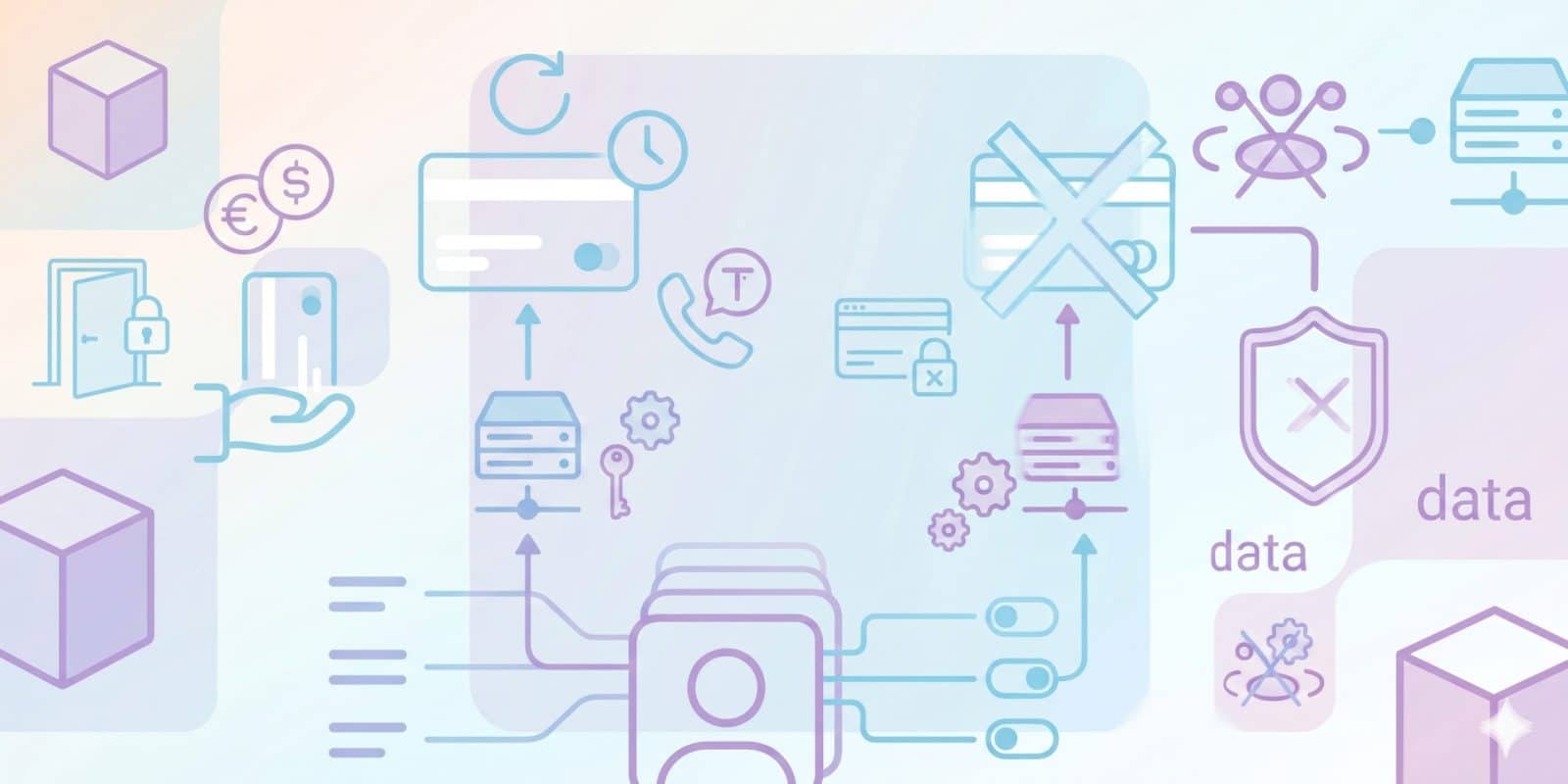
¿Qué son la Denegación Suave vs la Denegación Dura?
Los rechazos suaves son retenciones temporales de transacciones emitidas por una red de tarjetas o un banco emisor, típicamente relacionados con un evento de procesamiento actual. En muchos casos, el pago aún puede completarse con éxito con un reintento posterior. Los rechazos duros ocasionalmente coinciden con problemas del método de pago, lo que indica un beneficio al considerar enfoques alternativos.
Comprender la diferencia es esencial porque la estrategia de recuperación más efectiva depende del tipo de rechazo. Las respuestas apropiadas pueden afectar las tasas de recuperación, las alertas de fraude y la experiencia del cliente.
¿Qué causa las denegaciones suaves?
Los rechazos leves suelen deberse a problemas transitorios o fácilmente corregibles, lo que sugiere que la finalización del pago sigue siendo posible con reintentos o ajustes menores:
- El saldo disponible es inferior al importe de la compra; sin embargo, la transacción puede continuar cuando los fondos estén disponibles.
- Cuando una tarjeta vence, el método de pago asociado deja de ser válido, pero la cuenta del cliente permanece activa y disponible para actualizaciones de pago.
- Los servicios bancarios o de la red de pago pueden verse brevemente interrumpidos como resultado del mantenimiento o las actualizaciones rutinarias del sistema.
- La falta de coincidencia de CVV o AVS ocurre cuando el código de seguridad o la dirección de facturación proporcionados difieren de los registros del banco, lo que a veces puede deberse a un simple error de entrada de datos que es corregible.
- Límites de velocidad — el emisor de la tarjeta puede pausar temporalmente transacciones adicionales después de varios pagos en un corto período de tiempo como parte de la protección de seguridad estándar.
Ejemplo: El mantenimiento bancario programado puede provocar un cambio temporal en el cronograma de procesamiento de los pagos de suscripción de los clientes. Después de la restauración del sistema a la mañana siguiente, el pago continúa su procesamiento, minimizando potencialmente una mayor intervención del cliente.
¿Qué causa las denegaciones duras?
Los rechazos permanentes son señales valiosas que ayudan a identificar cuándo un método de pago necesita atención o actualización. Aunque estas transacciones no puedan resolverse únicamente mediante reintentos, dirigen a los clientes hacia una resolución de pago segura.
Ejemplos comunes incluyen:
- Cuando una tarjeta se reporta como perdida o robada, el emisor suele bloquear la tarjeta como medida de protección, permitiendo al titular de la tarjeta reanudar los pagos con una tarjeta de reemplazo.
- Número de cuenta inválido — los detalles de pago pueden estar desactualizados o ingresados incorrectamente, y se puede resolver actualizando la información de la tarjeta.
- Cuenta cerrada — la cuenta de pago anterior ya no está activa, permitiendo al cliente cambiar a un nuevo método de pago preferido.
- Puede existir una correlación entre la reducción de las denegaciones de protección contra el fraude y las respuestas del sistema de seguridad del banco’s a actividades potencialmente sospechosas.
Ejemplo: Un servicio de suscripción podría identificar que la tarjeta anterior de un cliente fue reportada como robada aproximadamente dos semanas antes, permitiendo al cliente actualizar su método de pago y continuar con el servicio. Con la tarjeta desactivada, el cliente puede actualizar sus detalles de pago con una nueva tarjeta para reanudar el servicio.
¿Cómo manejar una denegación suave?
Dado que los rechazos suaves indican que el problema de la tarjeta de un cliente es muy probablemente de naturaleza temporal, un enfoque de reintento estructurado tiene el potencial de recuperar una gran parte de las transacciones fallidas:
- Se sugiere hacer una pausa antes de reintentar; se recomienda un retraso de 24 a 72 horas antes de reintentar la transacción.
- Utilice una lógica de reintento inteligente — al mismo tiempo, no se apresure a reintentar y considere diferentes tiempos de presentación para los intentos (por ejemplo, día 1, día 3, día 7) para no activar los filtros de fraude.
- Implemente Account Updater — un servicio de las redes de tarjetas (Visa Account Updater, Mastercard Automatic Billing Updater), que puede actualizar automáticamente los datos de la tarjeta después de que esta haya caducado o haya sido reemitida.
- Un correo electrónico de recordatorio de pago puede informar al cliente sobre el problema de pago y solicitar datos de pago actualizados, con el objetivo de minimizar la preocupación del cliente.
- Limitar el total de reintentos se alinea con las directrices generales de la mayoría de las redes de tarjetas, las cuales desaconsejan más de 3-4 intentos en 30 días.
Una estrategia de reintentos bien pensada puede influir en la recuperación de pagos y puede afectar los costes de procesamiento. El momento oportuno de los reintentos y la atención a los motivos de denegación pueden influir en las tasas de aprobación y en la experiencia del cliente.
- Muchos códigos de declinación suave se benefician más de pasos de resolución específicos que de solo reintentos repetidos. Por ejemplo, las discrepancias de CVV se suelen solucionar después de la confirmación del cliente o de actualizaciones en los detalles de pago..
- Los procesadores de pagos como Stripe, Braintree y Chargebee suelen incluir funciones de reintento automático que abordan esta lógica.
¿Cómo manejar una denegación dura?
Tras un rechazo definitivo, pausar los reintentos y considerar enfoques alternativos representa una estrategia potencial.
- Pida al cliente que proporcione un nuevo método de pago; puede hacerlo a través de una notificación en la aplicación, correo electrónico o SMS.
- Presentar la información con empatía y franqueza puede ser útil; por ejemplo, comunicar “No pudimos procesar su pago en este momento” puede percibirse de manera diferente a “Su tarjeta fue rechazada.”
- Explique la interrupción del pago, notificando al cliente que debe proporcionar información de pago actualizada dentro de un plazo razonable (p. ej., 7–14 días) para mantener el acceso a la cuenta.
- Conserve el código de rechazo — con la ayuda de códigos de rechazo permanentes (ej., 41 = tarjeta perdida, 43 = tarjeta robada), debería ser más fácil entender los escenarios y fortalecer sus esfuerzos de prevención de fraude.
Rechazo temporal vs. Rechazo permanente: Una comparación en paralelo
|
Característica |
Rechazo leve |
Rechazo definitivo |
|
¿Permanente? |
No |
Sí |
|
¿Recomienda el sistema un reintento? |
Sí (con estrategia) |
No |
|
Razones frecuentes |
El procesamiento de transacciones puede experimentar variaciones como resultado de limitaciones temporales de saldo, actualizaciones de la tarjeta o interrupciones breves de la red |
Protecciones de seguridad, actualizaciones de cuenta o medidas de prevención de fraude |
|
¿Se requiere acción del cliente? |
A veces |
Siempre |
|
Tasa de recuperación típica |
20–40% con reintentos inteligentes |
Resuelto exitosamente una vez que se proporciona la información de pago actualizada |
¿Cuál es la tasa de recuperación típica?
Las tasas de recuperación dependen del sector de negocio y de las acciones de reintento; sin embargo, aquí hay algunas estimaciones aproximadas:
- Rechazos leves: Un mecanismo de reintento inteligente puede recuperar una parte de las inicialmente transacciones rechazadas, con algunas plataformas informando tasas de recuperación de hasta el 60% para los rechazos por fondos insuficientes si los reintentos se producen en momentos apropiados.
- Rechazos permanentes: la recuperación de clientes se observa con frecuencia cuando se utiliza un/a diferente método de pago se utiliza. Gestión de impagos campañas, cuando se programan adecuadamente, pueden resultar en la recuperación de algunos clientes dados de baja tras la actualización de su información de facturación, con tasas observadas entre el 10 y el 30%.
Esta es otra prueba de lo lucrativo que resulta, en términos monetarios, identificar el rechazo de sus clientes en el punto de fallo.
Conclusión
Los rechazos leves son interrupciones que usualmente pueden superarse mediante una combinación de flujos de reintento bien pensados y funciones de actualización de cuentas en los sistemas de pago. Existe una relación entre el método de pago y la tasa de rechazos definitivos. Responder a la situación es un método que los comerciantes pueden utilizar para abordar la estabilidad de los ingresos recurrentes y su relación con la fuga involuntaria de clientes.
¿Listo para comenzar?


 Español
  English
  Português
  Português do Brasil
  Français
  Italiano
  Deutsch
  Nederlands
  Polski
  Română
  Українська
  简体中文
简体中文  日本語
日本語  한국어
한국어