

Jak przygotować się i przeprowadzić audyt finansowy SaaS
Przygotowanie do audytu finansowego SaaS obejmuje ustanowienie jasnych zasad rozpoznawania przychodów, uporządkowanie całej dokumentacji w jednym miejscu, automatyzację operacji rozliczeniowych, przeprowadzanie testów wyrywkowych oraz regularne uzgadnianie kont.
Podczas audytu finansowego SaaS, firmy ewidencje finansowe są oceniane, aby upewnić się, że są zgodne z odpowiednimi GAAP lub standardami MSSF. Zarówno audytorzy, jak i wewnętrzne zespoły firmy przeglądają przychody odroczone, badają szczegóły podatkowe i sprawdzają niespójności w ewidencji księgowej.
Rozważając audytu podejście, pomocne jest ocenić bieżący wolumen transakcji, powszechność niestandardowych umów korporacyjnych oraz sposób śledzenia wieloletnich subskrypcji. Sprawdzenie, czy procesy opierają się na arkuszach kalkulacyjnych czy oprogramowaniu do rozliczeń, wyjaśnia, czy należy skupić się na pełnej naprawie danych, czy na rutynowych kontrolach. Ten przewodnik przedstawia krok po kroku proces porządkowania danych finansowych, przeprowadzania niezbędnych testów i nawigowania po procesie audytu od początku do końca.

Zarys koncepcji
-

Kategoria: Zarządzanie finansami SaaS
-

Dla kogo: Startupy SaaS B2B, Dostawcy dla Przedsiębiorstw
-

Główny cel: Weryfikacja Zgodności Finansowej i Dokładności
-

Powiązane koncepcje: Odroczone przychody, Uznanie przychodu, Zarządzanie finansami SaaS, Certyfikacja SOC 2, Zgodność z podatkiem od sprzedaży
-

Etap wzrostu: Skalowanie Serii A przed IPO
Ustanów swoje polityki rozpoznawania przychodów i kosztów
Zacznij od utworzenia jasnych Rozpoznanie przychodu i dokumentów rozpoznawania kosztów przed przeglądem audytowym. Dokumenty te opisują, w jaki sposób Twój zespół księgowy stosuje ASC 606 oraz MSRF 15 standardy we wszystkich umowach subskrypcyjnych.
Polityka powinna określać podejścia księgowe dla pozycji takich jak rozliczanie w oparciu o zużycie, opłaty instalacyjne, aktualizacje umów w połowie miesiąca oraz podwyższenia poziomu. Dodatkowo, powinna precyzować procedury ujmowania kosztów, włączając w to oprogramowanie opłacone z góry i wszelkie środki trwałe. Audytorzy porównują codzienną aktywność w księdze głównej z tymi politykami, aby potwierdzić, że ujmowane kwoty są rejestrowane zgodnie z określonymi wytycznymi.
Wcześniejsze określenie tych zasad stanowi punkt odniesienia i może zmniejszyć prawdopodobieństwo zmian w fazie audytu.
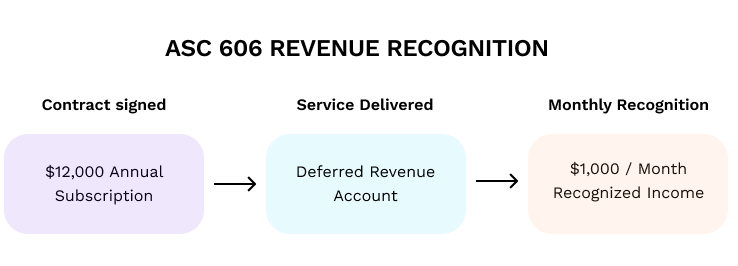
Przygotowując się do wejścia na rynek publiczny, GitLab odnosiło się do scenariuszy rozpoznawania przychodów zgodnych z ASC 606, takich jak wieloletnie kontrakty korporacyjne, samodzielnie zarządzane stanowiska licencyjne, subskrypcje SaaS w chmurze oraz dedykowane usługi profesjonalne. Odpowiedzią GitLab było stworzenie ścisłej polityki rozpoznawania przychodów, oddzielającej usługi pakietowe, przypisującej samodzielne ceny sprzedaży (SSP) oraz ustanawiającej zautomatyzowane powiązania między umowami a księgami rachunkowymi.
Przeglądaj i aktualizuj swoją dokumentację rozpoznawania przychodów za każdym razem, gdy nowe modele cenowe, warunki rezygnacji lub niestandardowe umowy zostaną wdrożone w Twoim produkcie.
Lista kontrolna gotowości SaaS do audytu finansowego
Usprawnij przygotowanie do audytu finansowego SaaS i zapewnij pełną zgodność z zasadami rozpoznawania przychodów ASC 606.
-

Kompletne 5-fazowe ramy przygotowawcze
-
Etapy weryfikacji umów i faktur
-
Protokoły testowania kontroli wewnętrznych
-
Wytyczne dotyczące uzgodnień i alokacji COGS
Scentralizuj umowy z klientami i faktury
Przechowuj wszystkie aktywne umowy z klientami, zamówienia zakupu i wystawione faktury w miejscu przeznaczonym do celów audytu.
Podczas audytu zespoły weryfikacyjne mogą zażądać wyboru kont klientów do zbadania. Audytorzy mogą porównać szczegóły umów z harmonogramami przychodów i zapisami w księdze głównej w celu sprawdzenia zgodności. Gdy dokumenty są przechowywane w wielu skrzynkach odbiorczych, na dyskach lub w folderach, proces ich wyszukiwania może wymagać dodatkowych kroków.
Wyznaczone repozytorium lub platforma rozliczeniowa może powiązać każdą fakturę z odpowiadającą jej umową w celach referencyjnych. Takie podejście ma na celu uporządkowanie plików na potrzeby audytu, w razie potrzeby.
|
Element Umowy |
Wymagany Plik Weryfikacyjny |
Zakres Kontroli Audytora |
|
Wartość Subskrypcji |
Podpisany Formularz Zamówienia / MSA |
Audytorzy mogą zweryfikować, czy kwoty zafakturowane są zgodne z umową. |
|
Częstotliwość Rozliczeń |
Faktury / Potwierdzenia Płatności |
Audytorzy mogą ocenić, czy zapisy przychodów odroczonych i terminy płatności odzwierciedlają to, co widnieje w umowie. |
|
Dodatki & Ulepszenia |
Zmiany w Umowach |
Osoby dokonujące przeglądu badają, czy zmiany w umowie w trakcie jej obowiązywania są udokumentowane zgodnie z ASC 606. |
Audytorzy odwołują się do podpisanych umów podczas przeprowadzania ocen. Na przykład, jeśli umowa zarejestrowana w księdze głównej opiewa na 20 000 USD, ale podpisany plik PDF wskazuje 20 500 USD, różnica w wysokości 500 USD zostanie udokumentowana do dalszego przeglądu.
Lista kontrolna gotowości SaaS do audytu finansowego
Usprawnij przygotowanie do audytu finansowego SaaS i zapewnij pełną zgodność z zasadami rozpoznawania przychodów ASC 606.
-
Kompletne 5-fazowe ramy przygotowawcze
-
Etapy weryfikacji umów i faktur
-
Protokoły testowania kontroli wewnętrznych
-
Wytyczne dotyczące uzgodnień i alokacji COGS
Automatyzacja procesów od zamówienia do zapłaty
Połączenie platformy do zarządzania relacjami z klientami z oprogramowaniem do rozliczeń i księgą główną to jedna z metod porządkowania zapisów w ramach cyklu od zamówienia do zapłaty.
Gdy ręczne wprowadzanie danych odbywa się w statycznych arkuszach kalkulacyjnych, w miarę wzrostu ilości danych sporadycznie można zaobserwować zmiany w liczbach. Badania pokazują, że ponad 88% ręcznie prowadzonych arkuszy finansowych w złożonych środowiskach danych zawiera elementy do weryfikacji.
Zautomatyzowane procesy od zamówienia do zapłaty mają na celu przeniesienie zamkniętych sprzedaży do harmonogramów przychodów poprzez dystrybucję informacji do zintegrowanych systemów bez ręcznej interwencji. Platformy rozliczeniowe często zarządzają odroczony przychód harmonogramami i automatycznie stosują warunki umowne na podstawie standardów ASC 606.
Ustanowienie zautomatyzowanych integracji eliminuje ryzyko błędów we wprowadzaniu danych i upraszcza przeglądy próbkowe audytorów.
Kiedy platforma do angażowania pracowników Workbuzz rozszerzyła swoją bazę klientów B2B, obliczanie przychodów odroczonych i śledzenie zgodności z ASC 606 w arkuszach kalkulacyjnych skutkowało większą liczbą rutynowych procedur. Firma następnie zmodyfikowała swoje zarządzania subskrypcjami i harmonogramy przychodów odroczonych poprzez integrację MOR. Następnie, pozycje kontraktowe zostały włączone do regularnych aktualizacji harmonogramów rozpoznawania przychodów, a zespół finansowy szybko odwoływał się do tych danych do raportów kontraktowych podczas audytu i przeglądu operacyjnego.
Oceń e-fakturowania narzędzia, które łączą pliki faktur PDF bezpośrednio z wpisami klientów w systemie księgowym, umożliwiając audytorom zdalne przeglądanie tych materiałów podczas zdalnych prac terenowych.
Lista kontrolna gotowości SaaS do audytu finansowego
Usprawnij przygotowanie do audytu finansowego SaaS i zapewnij pełną zgodność z zasadami rozpoznawania przychodów ASC 606.
-
Kompletne 5-fazowe ramy przygotowawcze
-
Etapy weryfikacji umów i faktur
-
Protokoły testowania kontroli wewnętrznych
-
Wytyczne dotyczące uzgodnień i alokacji COGS
Przeprowadź testy rzeczowe i przeglądy próbek losowych.
Wykonaj rzeczowe kroki audytu poprzez sprawdzanie wybranych transakcji wobec powiązanych dokumentów źródłowych.
Na tym etapie operacyjnym audytorzy lub wewnętrzni weryfikatorzy wybierają grupy kont klientów i śledzą każdą transakcję od początkowego zamówienia sprzedaży aż do wpływu gotówki. Przeglądają umowy, aby zweryfikować, czy wszystkie zobowiązania z tytułu świadczeń są prawidłowo zidentyfikowane oraz czy rozpoznane przychody są zgodne z datami realizacji usług. Szczegółowe rozmowy z członkami zespołu finansowego pomagają ocenić procesy wewnętrzne, protokoły zapobiegania błędom i zarządzanie dostępem.
Zapisy z księgi głównej są porównywane z bankowymi zapisami płatności w celu potwierdzenia prawidłowego ujęcia wpływów. Te kontrole audytowe wskazują wszelkie rozbieżności, zanim sprawozdania finansowe zostaną sfinalizowane.
|
Procedura testowania |
Główny cel |
Metoda audytu |
|
Śledzenie umów |
Weryfikacja dokładności przychodów |
Analiza podpisanych umów w odniesieniu do harmonogramów przychodów |
|
Ponowne przeliczenie gotówki |
Potwierdzenie istnienia |
Porównanie raportów rozliczeniowych z danymi o wpłatach bankowych |
|
Test odcięcia |
Potwierdzenie okresu |
Weryfikuj, czy transakcje pod koniec roku obrotowego są prawidłowo zaksięgowane |
Jeśli testy audytowe wykażą niezgodności w obliczeniach w losowej próbce, przegląd może zostać dostosowany w celu zbadania większej liczby pozycji, co może wpłynąć na czas i godziny potrzebne do zakończenia procesu audytu
Lista kontrolna gotowości SaaS do audytu finansowego
Usprawnij przygotowanie do audytu finansowego SaaS i zapewnij pełną zgodność z zasadami rozpoznawania przychodów ASC 606.
-
Kompletne 5-fazowe ramy przygotowawcze
-
Etapy weryfikacji umów i faktur
-
Protokoły testowania kontroli wewnętrznych
-
Wytyczne dotyczące uzgodnień i alokacji COGS
Przeprowadzaj miesięczne uzgodnienia i przygotuj końcowy raport audytowy
Comiesięcznie przeglądaj konta bankowe, harmonogramy rozliczeń przychodów odroczonych oraz nierozliczone należności
Kończenie uzgodnień przez cały rok pomaga zapewnić, że każda faza audytu przebiega zgodnie z ustalonym harmonogramem.
Miesięczne przeglądy pozwalają na korekty faktur lub wpisów, zanim audytorzy skompilują ostateczne dokumenty robocze.
Wykonywanie regularne sprawdzanie bilansu skutkuje raportowaniem przychodów, zobowiązań odroczonych oraz Koszt Wytworzenia Sprzedanych Towarów (CoGS), które odzwierciedlają transakcje firmy.
Po zakończeniu wymaganych uzgodnień i weryfikacji zespół audytowy generuje oficjalny raport.
Utrzymywanie regularnego harmonogramu uzgodnień tworzy standardowy proces do rocznych działań audytowych.
|
Zadanie uzgodnienia |
Częstotliwość |
Księga docelowa / Konto |
|
Środki Pieniężne & Salda Bramek Płatniczych |
Miesięcznie |
Konta Bankowe / Stripe / PayPal |
|
Kaskadowe Rozliczanie Przychodu Odroczonego |
Miesięcznie |
Konto Bilansowe Przychodu Przyszłych Okresów |
|
Naliczone Niefakturowane Przychody |
Kwartalnie |
Aktywa z Tytułu Umów / Należności |
Dokumentuj miesięczne uzgodnienia wraz z zatwierdzeniami przez menedżerów, aby utrzymać jasne dowody zgodności dla wszelkich zewnętrznych przeglądów.
- Rozbieżności w Umowach: Jeśli istnieją różnice między kwotami na fakturach a podpisanymi umowami, upewnij się, że zapisy rachunkowe są zgodne z obowiązującą umową. Dokumentacja pomocnicza, taka jak podpisany aneks do umowy, może zapewnić jasność, jeśli korekty zostały wprowadzone ustnie po zawarciu pierwotnej umowy.
- Zachowanie Formuł Arkusza Kalkulacyjnego: W ręcznie prowadzonych arkuszach kalkulacyjnych z przychodami odroczonymi, odwołania do komórek mogą się zmieniać podczas aktualizacji metodą kopiuj-wklej. Użycie zapytań do bazy danych lub dedykowanego oprogramowania do księgowości subskrypcji zamiast statycznych formuł pomaga utrzymać spójność w takich sytuacjach.
- Nierozdysponowane opłaty za usługi: Umowy obejmujące zarówno subskrypcje oprogramowania, jak i usługi, często wymagają jaśniejszej alokacji dla celów księgowych. Zastosowanie formuł lub narzędzi programowych do podziału przychodów według odrębnych zobowiązań, na podstawie ich indywidualnych cen, wspiera dokładne prowadzenie ewidencji.
Wniosek
Przygotowanie do Audyt finansowy SaaS obejmuje określanie polityki rachunkowości, korzystanie z zautomatyzowanych systemów rozliczeniowych oraz włączanie testów próbek, gdy jest to stosowne.
Przeprowadzanie miesięcznych uzgodnień oraz utrzymywanie dokumentacji w jednym miejscu może wspierać spójność rejestrów i sprostać wymaganiom audytowym.
Rozłożenie przygotowań i testów na cały rok stanowi sposób na Śledź Przepływy pieniężne SaaS i spełnić kroki proceduralne potrzebne do audytu.
Gotowy do rozpoczęcia?
Byliśmy tam, gdzie Ty. Podzielmy się naszym ponad 20-letnim doświadczeniem i urzeczywistnijmy Twoje globalne marzenia.

FAQ
-
W audycie finansowym SaaS, nacisk kładziony jest na ocenę powtarzalnych umów subskrypcyjnych, okresów trwania umów oraz metod rozliczeń, takich jak rozliczanie w oparciu o zużycie. Uznawanie przychodów jest weryfikowane zgodnie ze standardami takimi jak ASC 606, które mają zastosowanie specyficznie do przedsiębiorstw subskrypcyjnych i usługowych. W przeciwieństwie do audytów tradycyjnych przedsiębiorstw, które zarządzają fizycznymi zapasami, przeglądy finansowe SaaS priorytetyzują dokumentację stojącą za umowami, salda odroczonych przychodów, nierozliczone należności oraz dostarczanie usług cyfrowych.
-
Tempo audytów SaaS jest często uzależnione od sposobu zarządzania dokumentacją umów z klientami oraz od tego, czy są one zgodne z zapisami w księdze głównej. Gdy dokumentacja jest prowadzona w spójny sposób i jest dostępna, audytorzy są w stanie wykonać wymagane procedury zgodnie z wytycznymi audytu. Sposób organizacji dokumentacji ma bezpośredni wpływ na harmonogram audytu i czas trwania procesu.
-
Podczas audytu SaaS audytorzy przeglądają politykę rozpoznawania przychodów organizacji i analizują wybrane próbki umów, aby zweryfikować, w jaki sposób liczne zobowiązania do wykonania świadczeń, takie jak dostęp do oprogramowania, wdrożenie i usługi profesjonalne, są określone w umowach. Śledzą transakcje od początkowych formularzy zamówień aż po dokumentację rozliczeniową, aby potwierdzić, w jaki sposób przychody są rejestrowane w odniesieniu do terminu dostarczenia usługi. Takie podejście zapewnia, że metody rozpoznawania przychodów są zgodne ze standardami ASC 606 przez cały proces audytu.
-
W celu przygotowania do prac terenowych audytu, należy skompletować podpisane Umowy Główne o Świadczenie Usług (MSA), Specyfikacje Zakresu Prac (SOW), wystawione faktury, potwierdzenia płatności, miesięczne uzgodnienia bankowe oraz aktualny harmonogram kaskadowy przychodów odroczonych. Przechowywanie tych danych w centralnym systemie zapewnia audytorom dostęp do plików niezbędnych do losowego przeglądu próbek.
-
Przychody odroczone w sprawozdaniach księgowych oprogramowania jako usługi (SaaS) zostaną ujęte w pasywach. Przychody odroczone to te, które zostały otrzymane lub zafakturowane, ale usługi nadal mają zostać wykonane. W przypadku audytu konta przychodów odroczonych, audytor ustali, czy następuje miesięczne księgowanie przychodów wobec zobowiązań.
-
Uzgodnienie kont jest zazwyczaj przeprowadzane co miesiąc przez działy finansowe firm SaaS, zamiast czekać na koniec roku obrachunkowego. Wynika to z ciągłej potrzeby rejestrowania wszelkich zmian wprowadzonych w formułach, naliczonych dochodach i transakcjach. Celem tego podejścia jest dopasowanie danych księgowych do wymogów audytu.
-
Arkusze kalkulacyjne są powszechnie używane przez wiele nowych firm do audytowania i ewidencjonowania przychodów. Mogą występować neutralne odchylenia na kontach przychodów odroczonych z powodu ręcznych wpisów, a te są czasami zgłaszane w trakcie audytu. Zautomatyzowane systemy rozliczeniowe i subkonta subskrypcji są połączone z systemami CRM i księgowymi jako inne środki prowadzenia ewidencji i audytu.


 Polski
  English
  Español
  Português
  Português do Brasil
  Français
  Italiano
  Deutsch
  Nederlands
  Română
  Українська
  简体中文
简体中文  日本語
日本語  한국어
한국어